Back to home
INTERNATIONAL14 March 2026
Iran's Women Footballers: The Asylum Reversal and Its Implications
Three Iranian women footballers have reversed their asylum decisions in Australia, highlighting the complex pressures facing athletes from authoritarian regimes and raising questions about the true nature of their initial requests.
La
La Rédaction
The Vertex
5 min read
Source: www.bbc.com
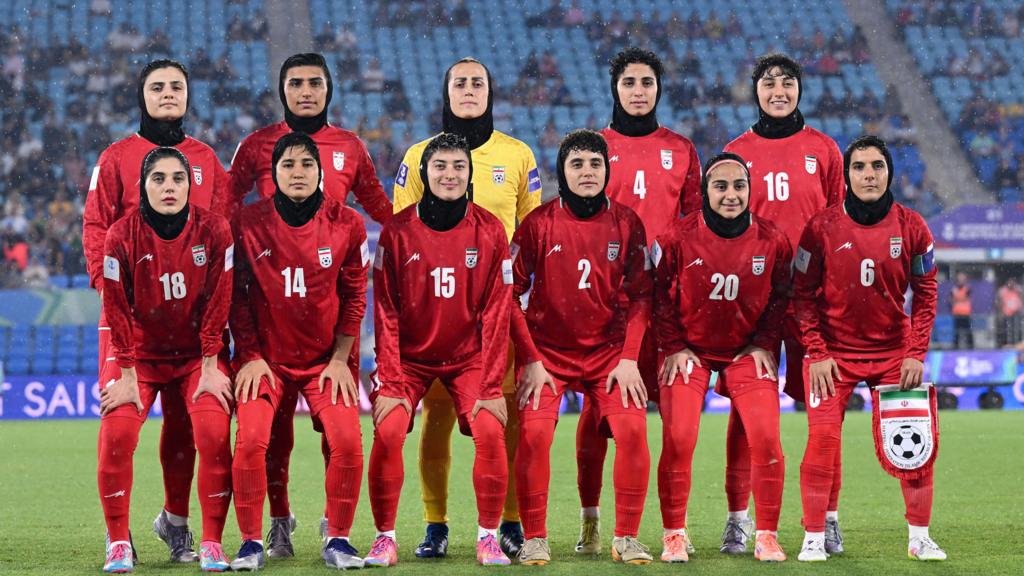
The reversal of asylum decisions by three Iranian women's football team members who initially sought refuge in Australia reveals the complex dynamics of political asylum and personal choice. Four of seven members of the delegation have now chosen to return home, raising questions about the pressures and considerations that influence such decisions.
This development comes against the backdrop of Iran's ongoing political tensions and the treatment of women in sports. The initial decision to seek asylum likely reflected genuine fears about repercussions for participating in international events without mandatory headscarves. However, the subsequent reversals suggest a more nuanced reality where family pressures, financial considerations, and potential diplomatic negotiations may play significant roles.
The case highlights the challenges faced by athletes from authoritarian regimes who must navigate between personal freedom and loyalty to their homeland. It also underscores the limited agency of women in Iran's sports system, where decisions are often made under duress or influenced by state actors.
For Australia, this situation presents a diplomatic balancing act between humanitarian obligations and maintaining international sporting relationships. The country must carefully consider how to handle such cases without discouraging future athletes from seeking refuge while also respecting the autonomy of those who change their minds.
Looking forward, this incident may influence how sporting federations approach athlete protection and asylum requests, potentially leading to more robust support systems for athletes facing political persecution.