Back to home
INTERNATIONAL7 March 2026
Iran's Strategic Calculus: Between Deterrence and Escalation
Iran's ambassador to the UK warns that Tehran's defensive response depends on US and Israeli actions, highlighting the delicate balance of power in the Middle East and the risk of escalation.
La
La Rédaction
The Vertex
5 min read
Source: www.bbc.com
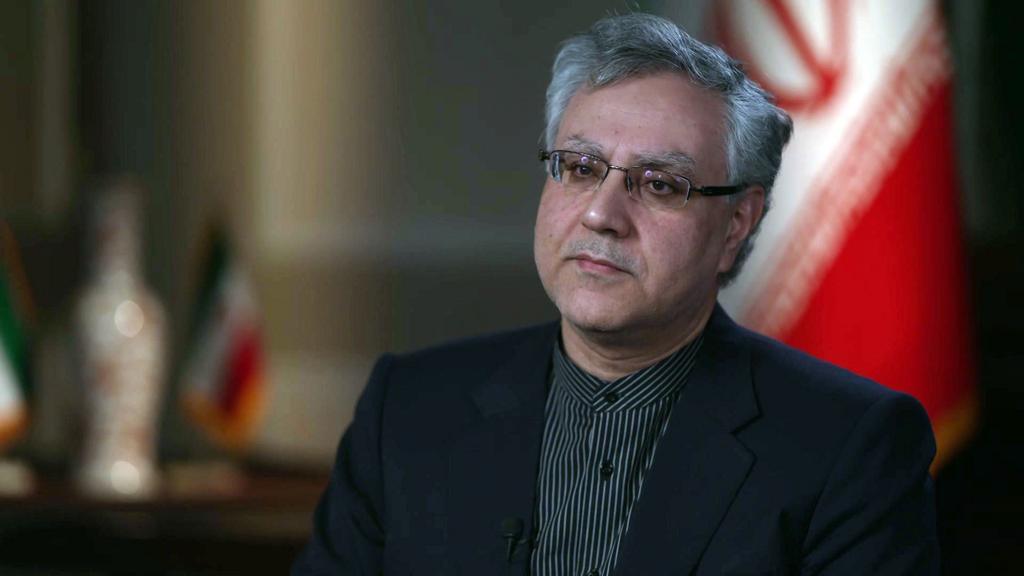
In a tense geopolitical climate, Iran's ambassador to the UK, Seyed Ali Mousavi, has issued a stark warning about Tehran's defensive posture. Speaking to BBC's Laura Kuenssberg, Mousavi emphasized that Iran's response to perceived aggression would be contingent upon the actions of the United States and Israel, underscoring the delicate balance of power in the Middle East.
The ambassador's comments come against a backdrop of heightened tensions, with recent incidents including Israeli airstrikes on Iranian targets in Syria and the ongoing debate over the nuclear deal. Mousavi's statement reflects a strategic calculation: Iran seeks to project strength and deter potential attacks while avoiding outright conflict that could devastate the region.
This diplomatic messaging serves multiple purposes. Domestically, it reinforces the Iranian government's image as a defender against foreign threats. Internationally, it signals to Washington and Tel Aviv that Tehran is prepared for confrontation but prefers negotiation. The conditional nature of Mousavi's warning—linking Iran's response to specific actions by its adversaries—suggests a calibrated approach aimed at maintaining strategic ambiguity.
Looking ahead, the ambassador's words highlight the fragility of Middle Eastern stability. As Iran continues to expand its regional influence through proxies and military capabilities, the risk of miscalculation grows. The coming months will likely test whether diplomatic channels can contain this volatile dynamic or whether the region is heading towards a more dangerous confrontation.