Back to home
INTERNATIONAL18 June 2026
Beyond the Nuclear Deal: Weapons, Finance, and Maritime Clauses in the New Iran Agreement
The United States and Iran have reached a new agreement that ties sanctions relief to specific limits on weapons technology, financial flows, and maritime activities, marking a more granular approach than the 2015 nuclear deal. Its nuanced provisions aim to curb regional influence while preserving diplomatic channels.
La
La Rédaction
The Vertex
5 min read
Source: www.bbc.com
In the shadow of decades of confrontation, the United States and Iran have recently negotiated a fresh agreement that revisits the core pillars of the 2015 nuclear deal. Unlike its predecessor, this arrangement explicitly ties the easing of sanctions to measurable steps concerning weapons technology, financial transfers, and maritime activities, signalling a more granular approach to verification.
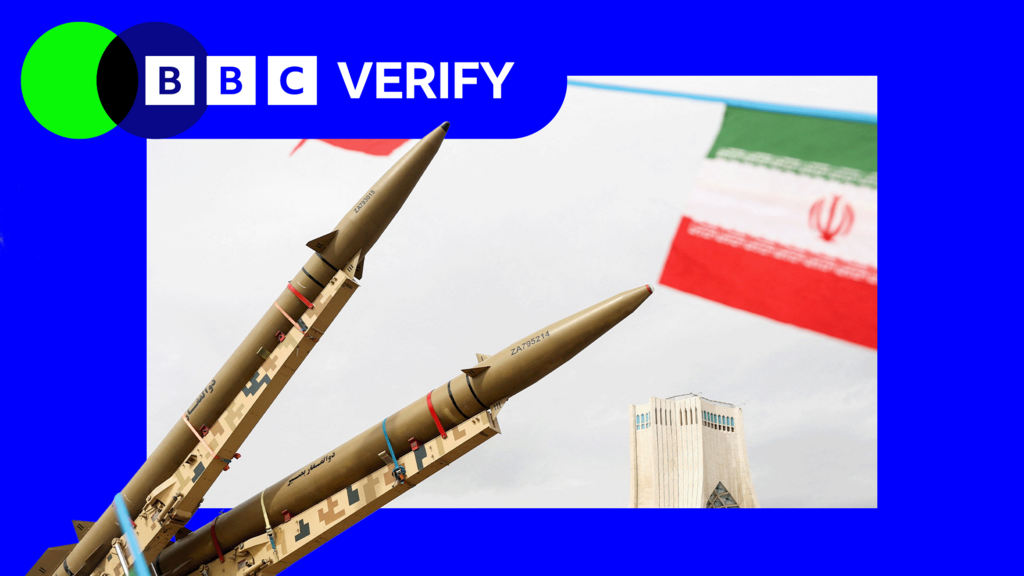
The first facet—weapons—introduces a limited but verifiable cap on the development of ballistic missile components, coupled with intrusive inspections of related facilities. By focusing on dual‑use technologies, the deal seeks to curb Iran’s regional influence without demanding a full dismantling of its missile program, a concession that reflects a calibrated risk‑reward calculus.
Second, the financial component expands the scope of sanctions relief to include controlled access to the international banking system, contingent on Iran’s compliance with a transparent money‑laundering monitoring framework. This shift aims to prevent the flow of illicit funds that previously financed proxy forces, while offering Tehran a modest economic incentive to stay within the agreement’s parameters.
Finally, the maritime clause restricts the operation of certain vessel categories in the Strait of Hormuz, requiring prior notification to a joint monitoring committee. Such a provision addresses the perennial concern over the weaponisation of commercial shipping, a flashpoint that has repeatedly escalated tensions.
Placed within the broader trajectory of U.S.–Iran diplomacy, the deal marks a departure from the all‑or‑nothing architecture of the JCPOA, opting instead for incremental confidence‑building. Its success will hinge on the durability of the monitoring mechanisms and the willingness of both parties to interpret the nuanced terms in good faith.
If sustained, the framework could pave the way for a more resilient non‑proliferation architecture in the Gulf, reducing the likelihood of accidental escalation while preserving space for diplomatic dialogue.