Back to home
POLITICS16 June 2026
Netanyahu’s Precarious Position in the Wake of the Iran Ceasefire
Donald Trump’s unilateral ceasefire with Iran places Israeli Prime Minister Benjamin Netanyahu at a strategic crossroads, forcing him to balance domestic political pressures with urgent security concerns. The agreement leaves Tehran’s regional influence intact, creating a dilemma that could shape both his electoral prospects and Israel’s Middle‑East posture.
La
La Rédaction
The Vertex
5 min read
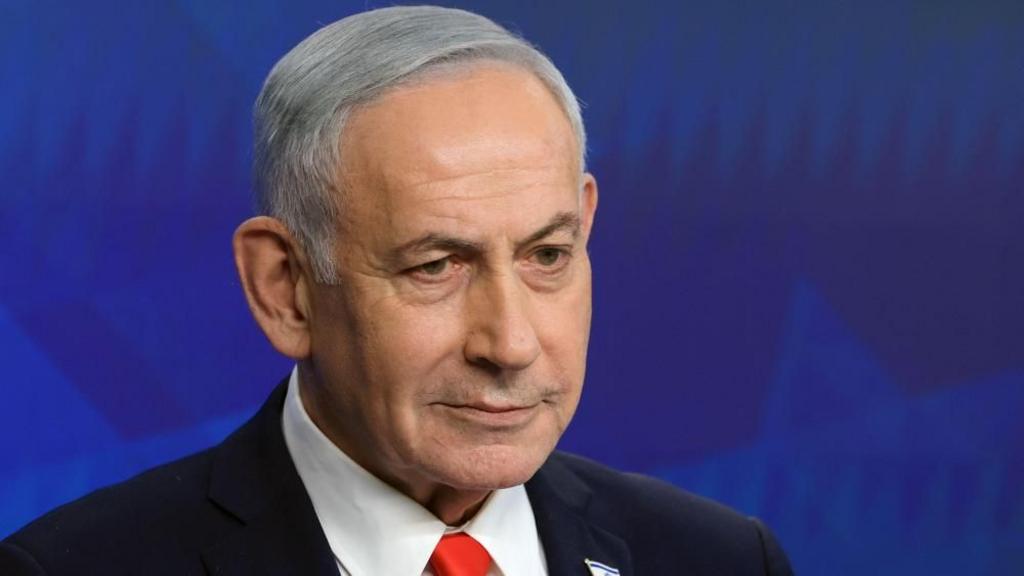
Source: www.bbc.com
When Donald Trump announced a unilateral ceasefire with Iran last week, the immediate reverberations were felt not only in Washington and Tehran but also in Jerusalem, where Prime Minister Benjamin Netanyahu found himself cornered by a policy that threatens both his political capital and Israel’s security calculus. The move, framed as a de‑escalation, nevertheless preserves Tehran’s regional reach and its nuclear ambitions, leaving Israel with a dilemma that is as strategic as it is domestic. This impasse reveals the tension between America’s desire to lower regional tensions and Israel’s distrust of a foe it views as expansionist.
Domestically, the ceasefire tests Netanyahu’s fragile coalition, uniting secular centrists with religious right‑wingers who view any concession to Tehran as a betrayal of Zionist security. While his Likud base demands a hard line, centrist partners fear isolation in a government perceived as ignoring diplomatic avenues. Security-wise, the agreement does not halt Iran’s support for Hezbollah, Hamas or the Houthis, nor does it dismantle its ballistic missile program, leaving Israel exposed to retaliatory strikes and proxy warfare across the Gulf.
The ceasefire builds on the 2018 U.S. withdrawal from the Joint Comprehensive Plan of Action, a move that re‑ignited Tehran’s nuclear posturing and heightened Israeli anxiety. Netanyahu, who led the diplomatic campaign against the original accord, now faces the paradox of endorsing a limited de‑escalation that leaves the core nuclear infrastructure untouched, thereby exposing a strategic inconsistency that could erode Israel’s credibility with both allies and adversaries.
Looking ahead, Netanyahu’s political future will hinge on whether he can convert this security quandary into a rallying narrative for the upcoming elections, or whether the continued threat from Iran will force him into a more conciliatory posture that alienates his base. Meanwhile, the region remains volatile; any miscalculation could reignite broader conflict, underscoring the fragile balance between diplomatic restraint and existential vigilance.