Back to home
SOCIETY9 April 2026
Iran's Children: When War's Scars Outlast the Ceasefire
The psychological trauma inflicted on Iranian children during conflict may prove more enduring than physical damage, with mental health experts warning that childhood exposure to violence creates lasting developmental impacts that persist well beyond any ceasefire.
La
La Rédaction
The Vertex
5 min read
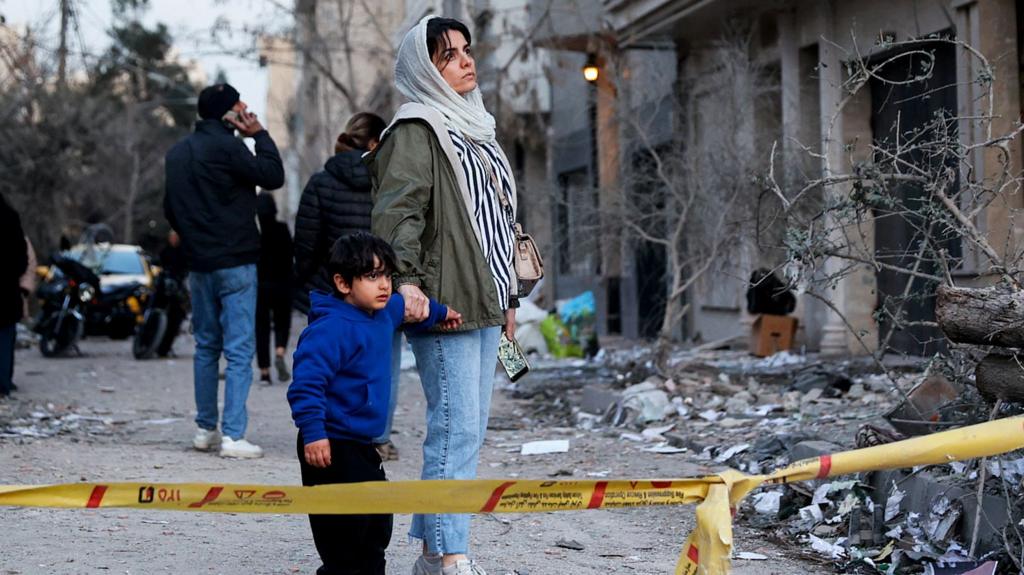
Source: www.bbc.com
The human cost of conflict extends far beyond the battlefield, particularly for the most vulnerable. In Iran, where recent tensions have escalated into violence, the psychological wounds inflicted on children may prove the most enduring legacy of war.
While international attention often focuses on immediate casualties and geopolitical maneuvering, mental health professionals working with affected families report a silent epidemic of trauma. Children who have witnessed violence, experienced displacement, or lost family members carry invisible scars that can persist for decades.
Psychologists describe symptoms ranging from chronic anxiety and sleep disorders to regressive behaviors and emotional numbness. These manifestations aren't merely temporary reactions but can fundamentally alter developmental trajectories. The neural pathways formed during childhood trauma often create lasting patterns of fear and hypervigilance.
The international community's response has been notably inadequate. While humanitarian aid typically prioritizes food, shelter, and medical supplies, psychological support remains underfunded and understaffed. This oversight reflects a broader tendency to view mental health as a secondary concern rather than recognizing it as foundational to societal recovery.
As diplomatic efforts continue to broker ceasefires, policymakers must expand their definition of victory to include healing the psychological damage inflicted on the youngest generation. Without addressing this invisible wound, the true cost of conflict will continue to compound long after the last bullet is fired.