Back to home
INTERNATIONAL1 April 2026
Iran's Use of Child Soldiers: A New Chapter in Regional Conflict
The reported death of an 11-year-old boy in Tehran raises serious questions about Iran's military practices and the evolving nature of regional conflicts, potentially marking a troubling escalation in the use of child soldiers in the Middle East.
La
La Rédaction
The Vertex
5 min read
Source: www.bbc.com
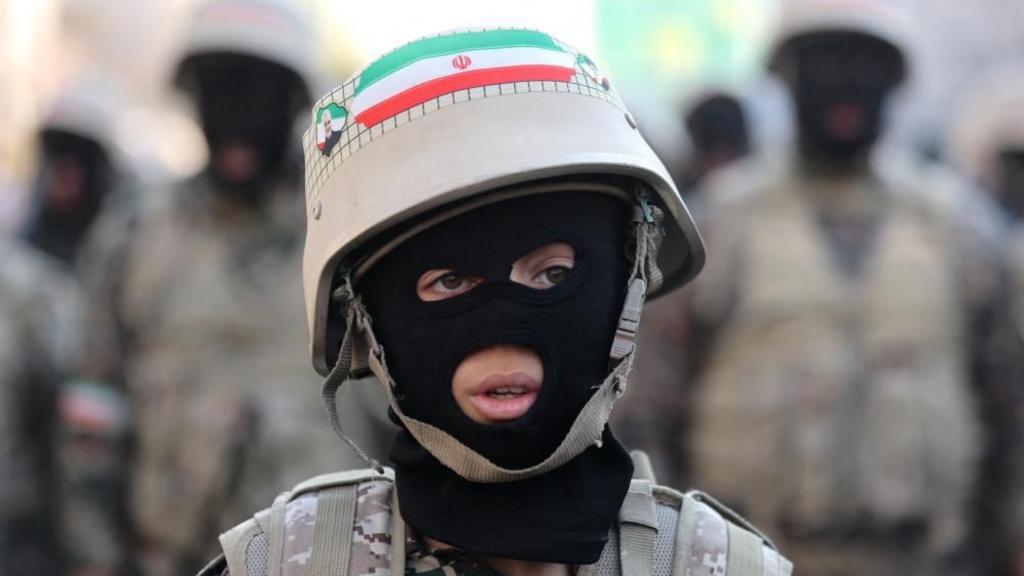
The reported death of an 11-year-old boy manning a checkpoint in Tehran during an air strike has sent shockwaves through the international community, raising serious questions about Iran's military practices and the evolving nature of regional conflicts. This incident, if confirmed, would represent a troubling escalation in the use of child soldiers in the Middle East.
For decades, the international community has condemned the recruitment of children in armed conflicts, with various conventions and protocols explicitly prohibiting such practices. However, the ongoing tensions in the Middle East have often blurred the lines between civilian and military roles, particularly in countries facing economic sanctions and internal strife.
The use of children in security roles is not entirely new in Iran's military apparatus. The Basij militia, a paramilitary volunteer militia established during the Iran-Iraq War, has historically included young volunteers. However, the reported involvement of children in active combat or security checkpoints marks a significant shift in tactics and raises serious ethical and legal concerns.
This development comes at a time when Iran is facing increasing pressure from both internal dissent and external threats. The country's economy, already strained by international sanctions, has been further impacted by the COVID-19 pandemic and regional instability. In this context, the reported use of child soldiers could be seen as a desperate measure to maintain security and project strength in the face of mounting challenges.
As the international community grapples with this revelation, the focus will likely shift to how other nations and organizations respond. Will there be renewed calls for sanctions or diplomatic isolation? Or will this incident be swept under the rug as part of the complex geopolitical chess game in the Middle East? The answers to these questions will shape not only Iran's future but also the broader landscape of conflict and human rights in the region.