Back to home
INTERNATIONAL29 March 2026
Iran's Escalating Shadow War: The New Normal in the Gulf
Coordinated attacks on Gulf industrial sites signal Iran's escalating shadow war, testing regional boundaries through asymmetric warfare while avoiding direct confrontation.
La
La Rédaction
The Vertex
5 min read
Source: www.bbc.com
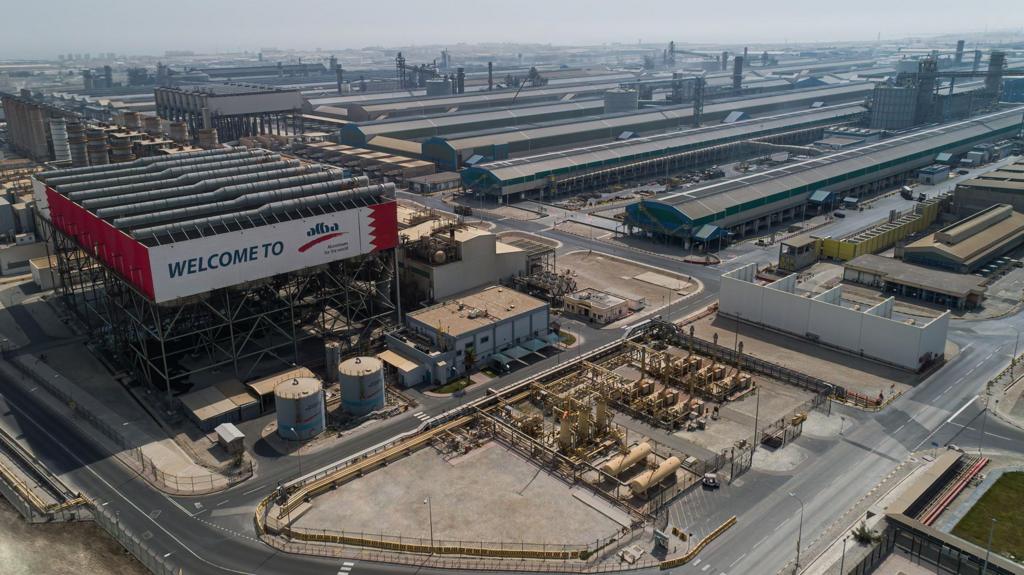
The recent coordinated attacks on aluminium facilities in the United Arab Emirates and Bahrain mark a dangerous escalation in what has become a persistent pattern of Iranian proxy warfare across the Gulf. These sophisticated strikes, which reportedly injured multiple workers, represent more than random acts of sabotage—they signal a deliberate strategy to pressure regional rivals while maintaining plausible deniability.
The timing is particularly significant. As negotiations over Iran's nuclear program remain stalled and economic sanctions continue to bite, Tehran appears to be testing the boundaries of acceptable aggression. By targeting critical industrial infrastructure rather than civilian populations, Iran walks a careful line: inflicting economic damage while avoiding the kind of provocation that might trigger direct military retaliation from the United States or its allies.
This campaign reflects a broader shift in Iranian strategic thinking. Unable to match its adversaries in conventional military terms, Tehran has perfected the art of asymmetric warfare, leveraging proxy forces, cyber capabilities, and deniable attacks to advance its interests. The aluminium plants—vital to both nations' industrial sectors—are precisely the kind of high-value, hard-to-defend targets that make this approach effective.
The implications extend beyond immediate security concerns. These attacks undermine investor confidence in Gulf economies, potentially slowing diversification efforts away from oil dependence. They also complicate the delicate balance of power in a region already strained by multiple conflicts. As Iran continues to test limits, Gulf states face an uncomfortable choice: absorb repeated provocations or risk escalation that could spiral out of control.
For now, the attacks appear designed to be disruptive rather than devastating—a calibrated message rather than a declaration of open warfare. But in the volatile Gulf, even calibrated aggression carries the risk of miscalculation.