Back to home
INTERNATIONAL10 March 2026
The Human Cost of Regional Escalation: Iran's Silent Suffering
Ten days of Israeli and U.S. attacks on Tehran and Karaj have left Iranians exhausted and sleep-deprived, revealing the profound psychological toll of sustained conflict beyond military objectives.
La
La Rédaction
The Vertex
5 min read
Source: www.bbc.com
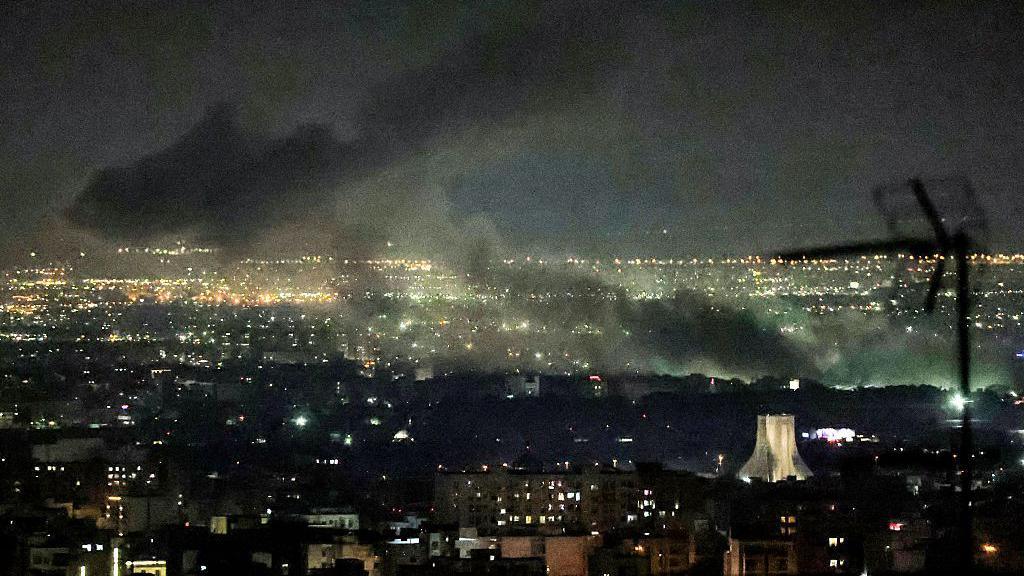
In the quiet hours of Tehran's nights, a different kind of casualty emerges from the shadows of geopolitical conflict. For ten consecutive days, the Iranian capital and the industrial city of Karaj have endured a relentless barrage of Israeli and U.S. attacks, leaving residents not only physically threatened but psychologically shattered. The BBC's recent interviews with Tehran and Karaj residents reveal a population grappling with exhaustion, sleep deprivation, and a profound sense of vulnerability that transcends the immediate military objectives of the conflict.
The psychological toll of sustained attacks cannot be overstated. Sleep, that most fundamental human need, has become a luxury few can afford. Residents describe nights punctuated by sirens, explosions, and the constant anxiety of what might come next. This chronic stress response triggers a cascade of physiological and mental health consequences - from impaired cognitive function to weakened immune systems. The attacks are achieving something beyond their military goals: they are systematically dismantling the civilian population's ability to function normally.
What makes this situation particularly insidious is its normalization. As days turn into weeks, the extraordinary becomes ordinary. The human capacity to adapt to adversity, while remarkable, also serves to mask the long-term damage being inflicted. Children growing up under these conditions will carry trauma that shapes their worldview for decades. The economic impact compounds the psychological burden, as businesses shutter and productivity plummets in an already strained economy.
Looking ahead, the international community faces a stark choice. Continued escalation will transform Iran's cities into permanent war zones, creating a generation of traumatized citizens and potentially radicalizing populations that might otherwise seek peaceful engagement. The current trajectory suggests a dangerous normalization of civilian suffering as an acceptable cost of geopolitical maneuvering. Without intervention, the true victory in this conflict may be measured not in territorial gains or military objectives, but in the quiet desperation of sleepless nights across Iran's urban centers.