Back to home
INTERNATIONAL2 April 2026
Indonesia's Tectonic Peril: When the Ring of Fire Strikes Again
A magnitude 7.4 earthquake off Indonesia highlights the archipelago's ongoing vulnerability to seismic events, raising questions about disaster preparedness and economic resilience in one of the world's most tectonically active regions.
La
La Rédaction
The Vertex
5 min read
Source: www.bbc.com
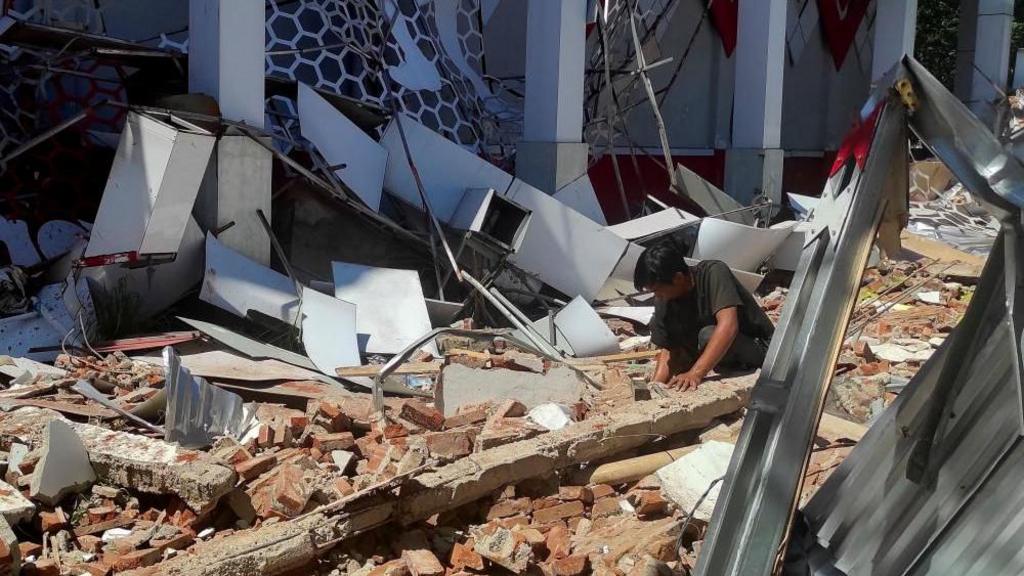
The magnitude 7.4 earthquake that struck off Indonesia's coast between Manado and Ternate on April 11, 2025, serves as a stark reminder of the archipelago's precarious position on the Pacific Ring of Fire. The seismic event, which claimed at least one life, triggered immediate tsunami warnings that were later lifted, but the psychological and infrastructural impact lingers.
Indonesia's geological vulnerability stems from its location atop multiple tectonic plates, making it one of the world's most seismically active regions. The 2004 Indian Ocean tsunami, which killed over 220,000 people across 14 countries, remains etched in collective memory. While this recent quake was less catastrophic, it underscores the persistent threat facing coastal communities.
The economic implications are significant. Indonesia's archipelagic nature means that even moderate seismic events can disrupt maritime trade routes and fishing industries. The tourism sector, particularly in regions like North Sulawesi, faces reputational risks as potential visitors weigh safety concerns against the archipelago's natural beauty.
Looking ahead, Indonesia's disaster preparedness has improved since 2004, with better early warning systems and evacuation protocols. However, the country's vast coastline and numerous islands present ongoing challenges for comprehensive risk management. The international community's role in supporting Indonesia's resilience-building efforts remains crucial, as seismic events in this region have global ripple effects through disrupted supply chains and potential refugee flows.
The April 2025 earthquake is not an isolated incident but part of a continuing pattern that demands sustained attention to infrastructure resilience, community education, and international cooperation in the face of nature's unpredictable power.