Back to home
SOCIETY16 March 2026
Tragedy in Odisha: The Deadly Cost of India's Healthcare Infrastructure Gaps
A deadly hospital fire in Odisha highlights India's healthcare safety crisis, where rapid expansion outpaces infrastructure and regulatory oversight, demanding urgent reform.
La
La Rédaction
The Vertex
5 min read
Source: www.bbc.com
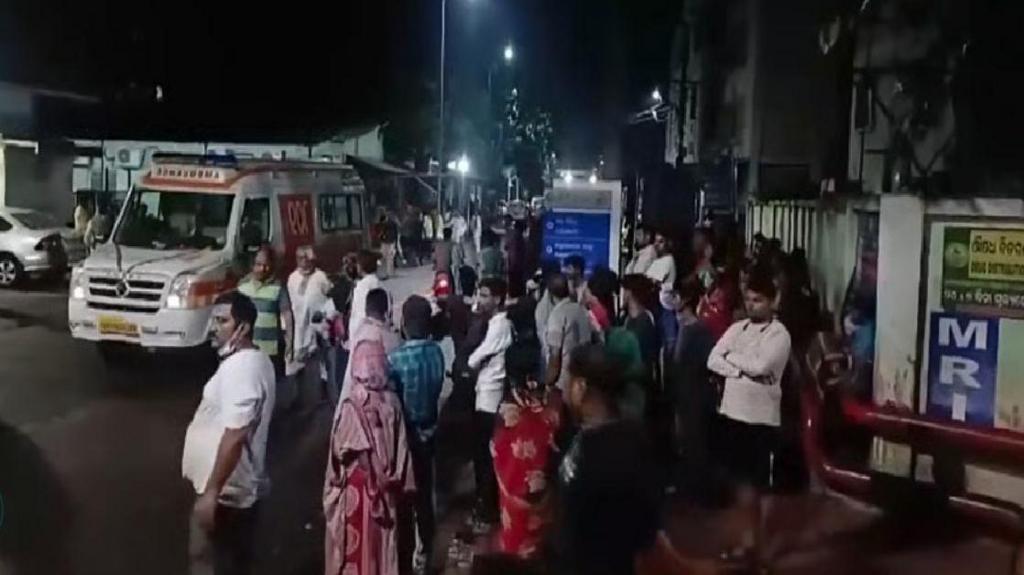
A devastating fire at an intensive care unit in Odisha, eastern India, has claimed ten lives, all patients, while eleven hospital staff suffer burn injuries. This tragedy exposes the dangerous intersection of India's rapid healthcare expansion and inadequate safety infrastructure.
The incident occurred in a facility treating COVID-19 patients, highlighting the immense pressure on India's medical system during the pandemic. Overcrowded wards, overworked staff, and aging infrastructure have created conditions where basic safety protocols often fall by the wayside. This isn't an isolated incident—similar fires have occurred across India in recent years, from Mumbai to Kolkata, suggesting systemic failures rather than individual negligence.
India's healthcare sector has grown exponentially to meet population demands, but regulatory oversight and safety enforcement have lagged. Many hospitals operate in older buildings retrofitted for modern medical equipment, creating fire hazards. The economic imperative to maximize patient capacity often overrides safety considerations. Additionally, India's complex bureaucracy means fire safety inspections are inconsistent, and penalties for violations minimal.
The human cost extends beyond immediate casualties. Healthcare workers already traumatized by pandemic conditions now face additional psychological burden. Families of victims confront not only grief but questions about whether proper precautions could have prevented this disaster.
Looking forward, this tragedy should catalyze comprehensive reform of hospital safety standards nationwide. India's healthcare ambitions—from universal coverage to medical tourism leadership—cannot be achieved without ensuring the most basic safety requirements. The question remains whether this latest disaster will finally prompt the regulatory overhaul that India's hospitals desperately need.