Back to home
INTERNATIONAL6 March 2026
Hungary's Detention of Ukrainian Bank Workers: A Geopolitical Flashpoint
Hungary's detention of Ukrainian bank workers and $80 million in cash has escalated tensions between the two nations, raising questions about regional security and diplomatic relations in Eastern Europe.
La
La Rédaction
The Vertex
5 min read
Source: www.bbc.com
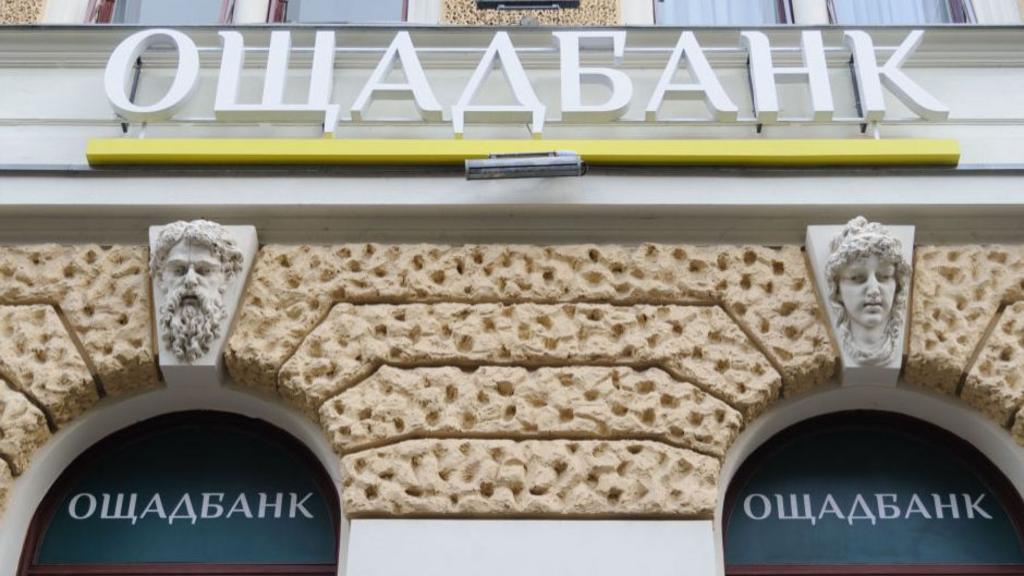
In a move that has sent ripples through Eastern European diplomatic circles, Hungary has confirmed the detention of seven Ukrainian bank employees and the seizure of $80 million in cash. The funds, reportedly being transported between Austria and Ukraine in two vans, have become the center of a complex geopolitical dispute that underscores the fragile nature of regional relations.
The incident occurs against a backdrop of already strained relations between Hungary and Ukraine. Budapest has repeatedly clashed with Kyiv over minority rights for ethnic Hungarians in Ukraine's western regions, while Ukraine has criticized Hungary's perceived pro-Russian stance within the European Union. This cash seizure, whether intentional or not, adds another layer of tension to an already fraught relationship.
From a security perspective, the detention raises questions about the oversight of large cash transfers in the region. While the banks involved claim the money was legitimate, the lack of transparency in such high-value movements across borders has drawn scrutiny. For Ukraine, a country still grappling with the economic fallout of war, the seizure of such a significant sum could have ripple effects on its financial stability.
The broader implications of this incident extend beyond the immediate parties involved. It highlights the challenges of maintaining trust and cooperation in a region where historical grievances, economic interests, and geopolitical rivalries often intersect. As the situation unfolds, the international community will be watching closely to see how Hungary and Ukraine navigate this delicate crisis.
Looking ahead, the resolution of this case could set a precedent for how similar incidents are handled in the future, potentially influencing cross-border financial practices and diplomatic protocols in Eastern Europe.