Back to home
INTERNATIONAL20 March 2026
Hungary's Orban: The Price of Russian Pipeline Repairs
Hungary's Prime Minister Viktor Orban has vetoed a €500 million EU loan to Ukraine, demanding repairs to a Russian oil pipeline first. The move highlights deep divisions within the EU over energy dependence and solidarity.
La
La Rédaction
The Vertex
5 min read
Source: www.bbc.com
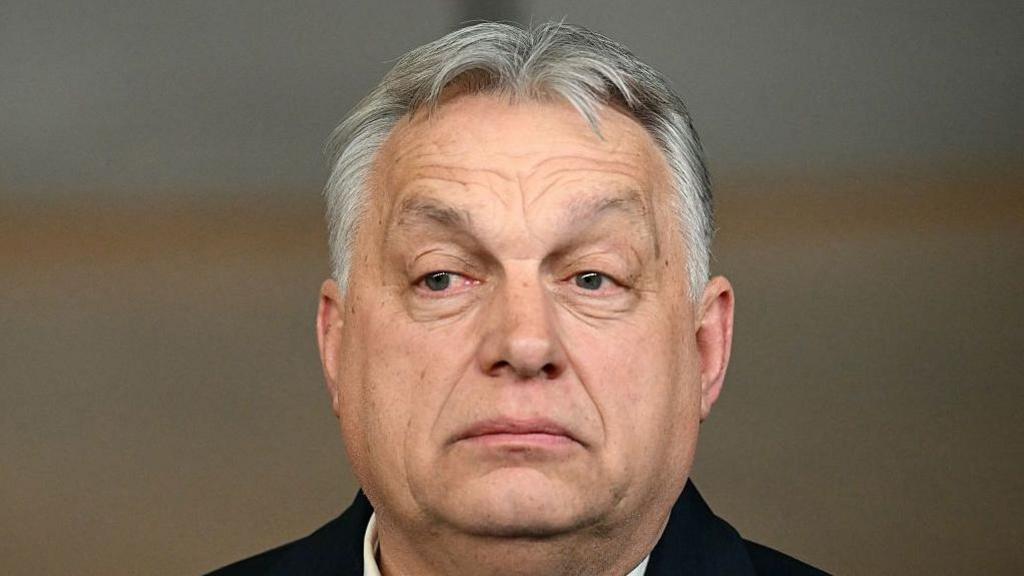
Hungarian Prime Minister Viktor Orban has ignited a diplomatic firestorm by vetoing a €500 million EU loan to Ukraine, demanding repairs to a Russian oil pipeline that runs through Ukrainian territory before releasing the funds. This move has been widely condemned as economic blackmail and a betrayal of European solidarity during wartime.
The Druzhba pipeline, which carries Russian oil to Hungary, has been damaged in the ongoing conflict, disrupting Hungary's energy supplies. Orban's insistence on repairs before supporting Ukraine represents a stark prioritization of Hungarian energy security over European unity. This stance exposes the deep divisions within the EU regarding energy dependence on Russia and the competing interests of member states.
Orban's actions must be understood within the broader context of his longstanding relationship with Moscow. His government has maintained close economic ties with Russia, including a controversial nuclear energy deal, while resisting EU sanctions on Russian energy. This latest move suggests that Hungary's energy dependence on Russian oil has effectively given Moscow leverage over EU decision-making processes.
The implications extend beyond this single loan. Orban's veto threatens to undermine European efforts to present a united front against Russian aggression and could embolden other countries with similar energy dependencies to resist coordinated action. As winter approaches and energy security becomes more pressing, the EU faces a fundamental challenge: how to maintain unity when member states' economic interests diverge so sharply.
Looking forward, this crisis may force the EU to confront difficult questions about energy independence and the limits of solidarity among member states with competing national interests.