Back to home
POLITICS13 April 2026
Hungary's Political Earthquake: How Péter Magyar Toppled Orbán's Two-Decade Regime
Hungary's 16-year Orbán era ended in a decisive electoral defeat, as former insider Péter Magyar led a democratic resurgence that could reshape Central European politics.
La
La Rédaction
The Vertex
5 min read
Source: www.bbc.com
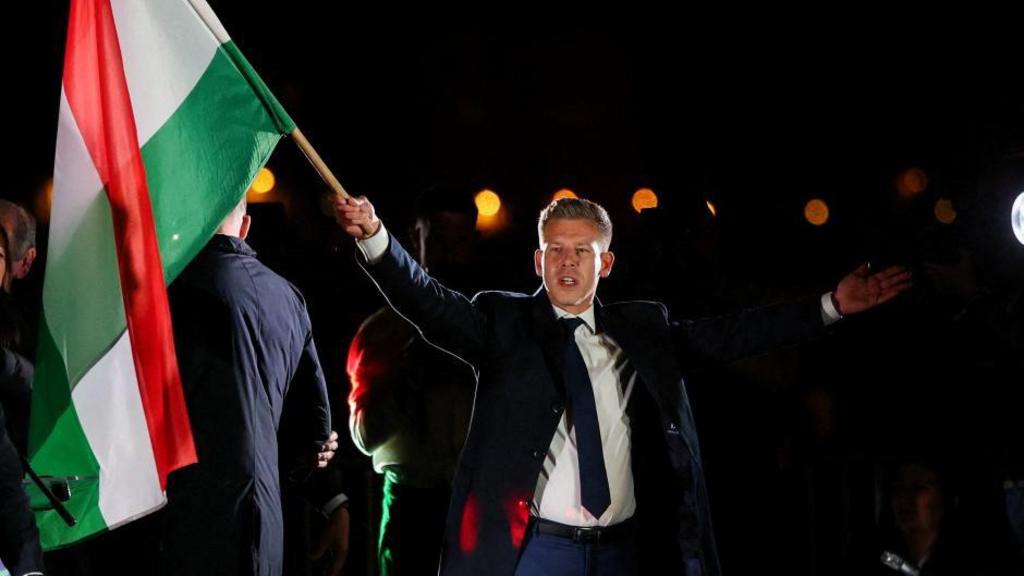
In a stunning political reversal, Hungary has witnessed the collapse of Viktor Orbán's 16-year authoritarian grip on power. The architect of this seismic shift is Péter Magyar, a 45-year-old political outsider who once belonged to Orbán's inner circle but has now orchestrated one of Eastern Europe's most dramatic democratic comebacks.
The election results represent more than a simple change in leadership; they signal a fundamental rejection of Orbán's nationalist policies, media control, and erosion of judicial independence. Magyar's campaign successfully tapped into widespread discontent among Hungarian voters, particularly younger demographics who have grown up under Orbán's increasingly autocratic rule.
What makes this transition particularly noteworthy is its peaceful nature. Unlike other Eastern European countries where regime changes have been accompanied by violence or instability, Hungary's democratic institutions appear to have functioned effectively, facilitating a smooth transfer of power. This suggests that despite Orbán's efforts to consolidate control, the country's democratic foundations remained resilient enough to enable a legitimate electoral process.
The implications extend beyond Hungary's borders. Magyar's victory could inspire opposition movements across Central and Eastern Europe, where populist leaders have similarly consolidated power over the past decade. It demonstrates that even deeply entrenched political establishments can be challenged through organized democratic processes.
Looking ahead, Magyar faces the formidable task of rebuilding Hungary's democratic institutions while addressing economic challenges and navigating the country's relationship with both the European Union and Russia. His success will largely depend on whether he can deliver on promises of reform while maintaining the broad coalition that enabled his electoral triumph.