Back to home
POLITICS11 April 2026
Hungary's Political Earthquake: Can Orbán's Two-Decade Reign Finally End?
Péter Magyar's opposition movement has surged in Hungarian polls, threatening Viktor Orbán's 14-year rule amid economic discontent and anti-corruption sentiment.
La
La Rédaction
The Vertex
5 min read
Source: www.bbc.com
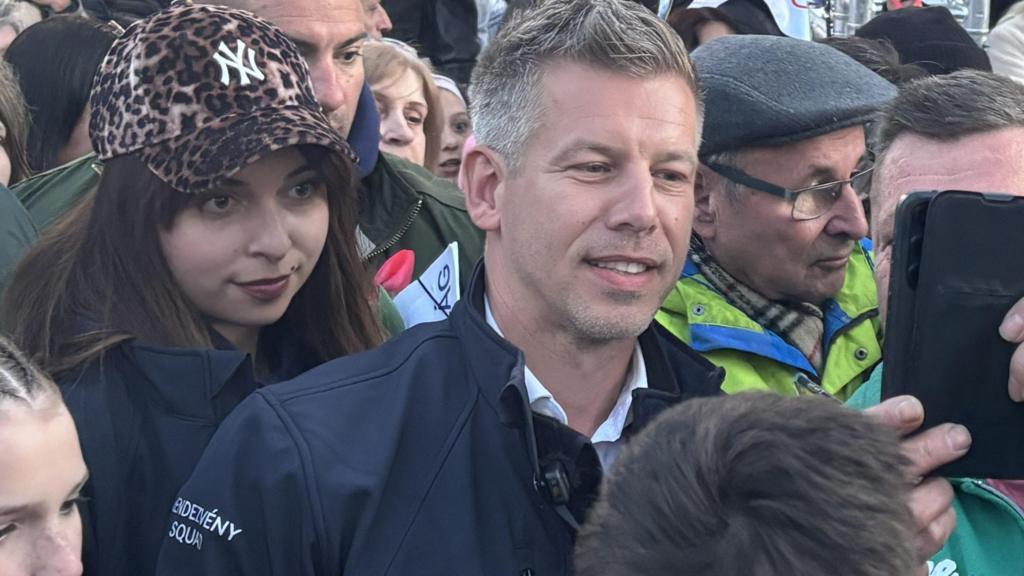
Budapest's Heroes' Square has become the unlikely epicenter of Central Europe's most consequential political battle. As tens of thousands of Hungarians gathered under the iconic statues, opposition leader Péter Magyar's movement has surged to the forefront of polls, threatening to end Viktor Orbán's 14-year grip on power.
The numbers tell a story of seismic change. Magyar's Momentum party, riding a wave of anti-corruption sentiment and economic discontent, has positioned itself as the first credible challenger to Orbán's Fidesz party in over a decade. The timing is critical—Hungary faces 15% inflation, strained EU relations, and growing concerns about democratic backsliding.
Orbán's tenure has been marked by controversial policies: media consolidation, judicial reforms, and a crackdown on NGOs. His brand of 'illiberal democracy' has made Hungary a lightning rod in European politics. Yet, his supporters credit him with economic stability and a strong stance against migration.
Magyar's rise represents more than just a change in leadership. It signals a potential realignment of Hungarian politics, with younger voters and urban professionals coalescing around a pro-European, reformist agenda. The opposition's unity—a rare phenomenon in Hungarian politics—has been crucial to their momentum.
The stakes extend beyond Hungary's borders. A Magyar victory could reshape EU dynamics, potentially restoring Hungary's place as a constructive member state. Conversely, an Orbán win would embolden populist movements across Europe.
As Hungary heads to the polls, the question isn't just who will win, but whether this marks the beginning of a new political era in Central Europe.