Back to home
POLITICS5 April 2026
Deepfakes and Democracy: AI-Generated Content in Hungary's Critical Election
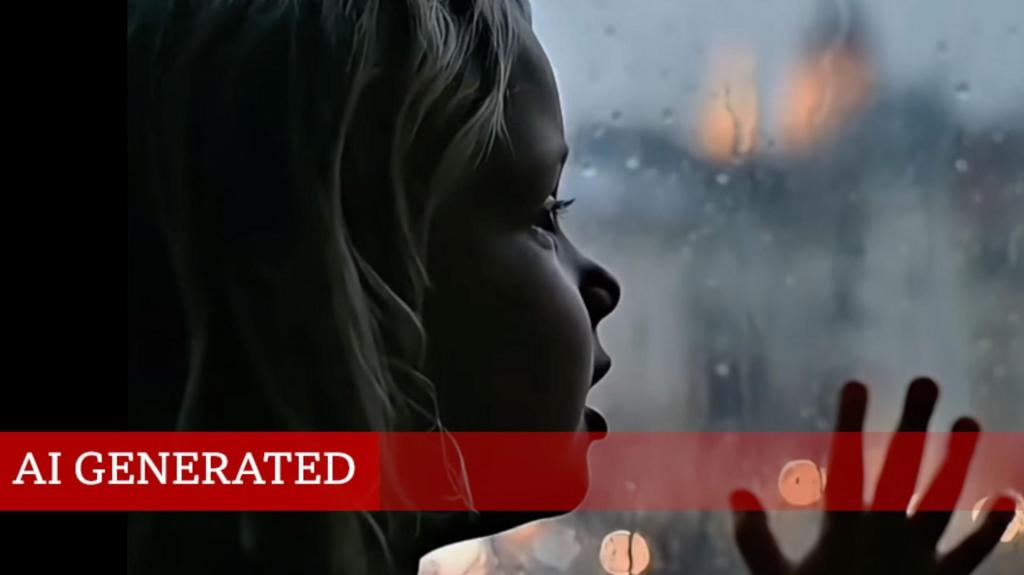
AI-generated videos targeting Hungary's opposition leader highlight the growing threat of synthetic media in democratic elections. As Viktor Orbán seeks another term, the use of deepfake technology raises urgent questions about electoral integrity and voter discernment in the digital age.
La
La Rédaction
The Vertex
5 min read
Source: www.bbc.com
Hungary stands at a political crossroads as Prime Minister Viktor Orbán seeks a fifth consecutive term after 16 years in power. The April 2024 election has taken an unprecedented turn with the emergence of AI-generated videos targeting his main opponent, Péter Márki-Zay, leader of the united opposition coalition. These synthetic media productions, designed to discredit and manipulate public perception, represent a new frontier in electoral interference that transcends traditional campaign tactics.
The proliferation of deepfake technology has democratized the ability to create convincing false narratives, and Hungary's election serves as a stark laboratory for observing its impact on democratic processes. Unlike conventional misinformation campaigns that rely on text or static images, AI-generated videos can simulate realistic speech patterns, facial expressions, and contextual scenarios that blur the line between reality and fabrication. This technological evolution poses fundamental questions about the integrity of electoral discourse in the digital age.
Political analysts note that Orbán's government has systematically consolidated media control over the past decade, creating an environment where distinguishing between authentic and manipulated content becomes increasingly difficult for voters. The timing of these AI videos—appearing in the final weeks before voting—suggests a calculated attempt to exploit information overload and voter fatigue. International observers have expressed concern that such tactics could normalize electoral manipulation, setting a dangerous precedent for other democracies facing similar technological challenges.
As Hungary's electorate prepares to cast ballots, the intersection of artificial intelligence and political warfare raises urgent questions about the future of democratic accountability. Will voters possess the digital literacy to identify synthetic content? Can regulatory frameworks adapt quickly enough to address this emerging threat? The answers may determine not only Hungary's political trajectory but also establish global standards for electoral integrity in the AI era.