Back to home
INTERNATIONAL13 April 2026
Hungary's Political Shift: A Blow to Putin's European Influence
Hungary's election results mark a significant shift in European politics, potentially weakening Putin's influence on the continent. The ousting of Orbán's pro-Russian government could lead to more unified EU policies towards Moscow and strengthen Western alliances.
La
La Rédaction
The Vertex
5 min read
Source: www.bbc.com
The recent Hungarian election has sent shockwaves through European politics, marking a significant turning point in the continent's relationship with Russia. For years, Hungary under Viktor Orbán has been seen as a stalwart ally of Vladimir Putin within the European Union, often blocking sanctions and maintaining close ties with Moscow. However, the electoral defeat of Orbán's Fidesz party signals a potential realignment in Central European politics.
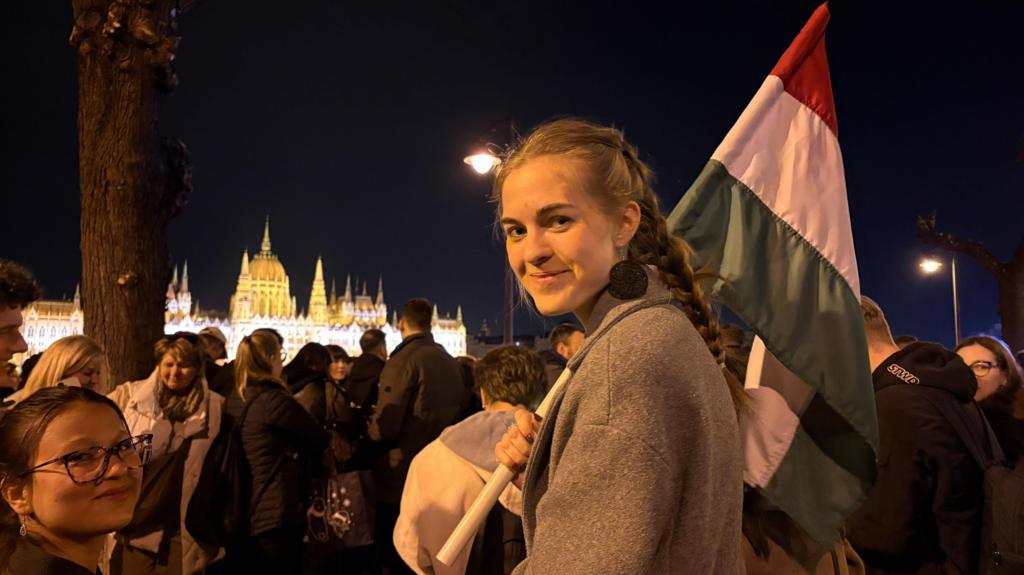
The jubilation in Budapest is palpable, with European leaders welcoming the change as a victory for democratic values and a blow to Putin's influence on the continent. This shift comes at a crucial time, as Europe grapples with the ongoing conflict in Ukraine and seeks to present a united front against Russian aggression. The new Hungarian government's stance on Russia will be closely watched, as it could potentially open the door for more cohesive EU policies towards Moscow.
Yet, the implications of this political change extend beyond just Hungary and Russia. It represents a broader struggle within Europe between those who seek closer ties with the West and those who maintain pro-Russian sympathies. The ousting of Orbán, long seen as a thorn in the side of EU unity, could pave the way for more effective decision-making within the bloc, particularly on issues related to Russia and Eastern Europe.
As Europe looks to the future, the Hungarian election serves as a reminder of the continent's complex political landscape and the ongoing battle for influence between Western democracies and authoritarian regimes. The coming months will be crucial in determining whether this shift in Hungary translates into tangible changes in European policy towards Russia and the broader geopolitical landscape.