Back to home
INTERNATIONAL20 March 2026
Hormuz Strait: The Strategic Lifeline Under Pressure
Nearly 100 ships have passed through the Hormuz Strait amid rising geopolitical tensions, highlighting the waterway's critical role in global energy security and the delicate balance between commerce and conflict.
La
La Rédaction
The Vertex
5 min read
Source: www.bbc.com
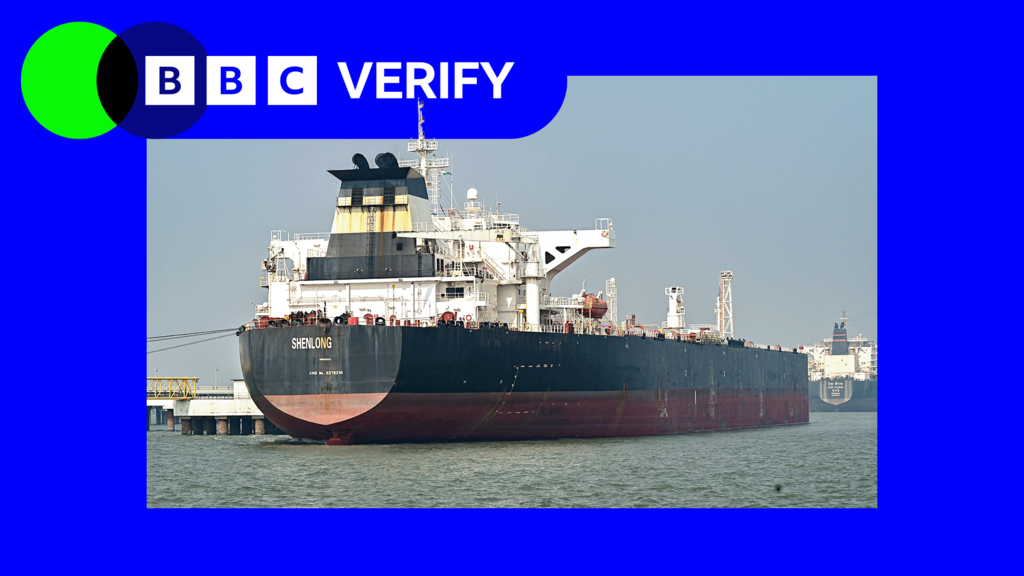
Just under 100 ships have navigated the Strait of Hormuz since early March, according to BBC Verify's analysis of maritime traffic data. This narrow waterway, connecting the Persian Gulf to the Arabian Sea, remains one of the world's most critical and volatile maritime chokepoints, through which roughly 20% of global oil supplies pass.
The recent traffic figures reveal a delicate balance between commercial necessity and geopolitical risk. While the numbers suggest continued operation, the strait has witnessed escalating tensions in recent years, including tanker seizures, drone attacks, and threats of closure by Iran. These incidents have raised insurance costs and prompted some shipping companies to reroute vessels, adding thousands of miles and millions in costs.
Beyond the immediate commercial implications, the strait's vulnerability highlights the broader fragility of global energy security. The concentration of such vital infrastructure in a geopolitically unstable region creates systemic risks that reverberate through energy markets and international relations. The United States and its allies maintain a naval presence in the region, while Iran views the waterway as both an economic asset and a strategic lever.
Looking ahead, the sustainability of current shipping patterns depends on the resolution of underlying regional tensions. Without diplomatic progress, the strait may face a future where commerce and conflict exist in an increasingly precarious equilibrium, with global markets bearing the cost of this strategic uncertainty.