Back to home
INTERNATIONAL3 March 2026
Lebanon on the Precipice: Hezbollah's Gamble and the Specter of Wider Conflict
Hezbollah's attacks on Israel have plunged Lebanon into fresh turmoil, sparking mass displacements and Israeli bombing. This escalation highlights Lebanon's vulnerability as a pawn in geopolitical power struggles and strains its already fragile economy and social fabric.
La
La Rédaction
The Vertex
5 min read
Source: www.bbc.com
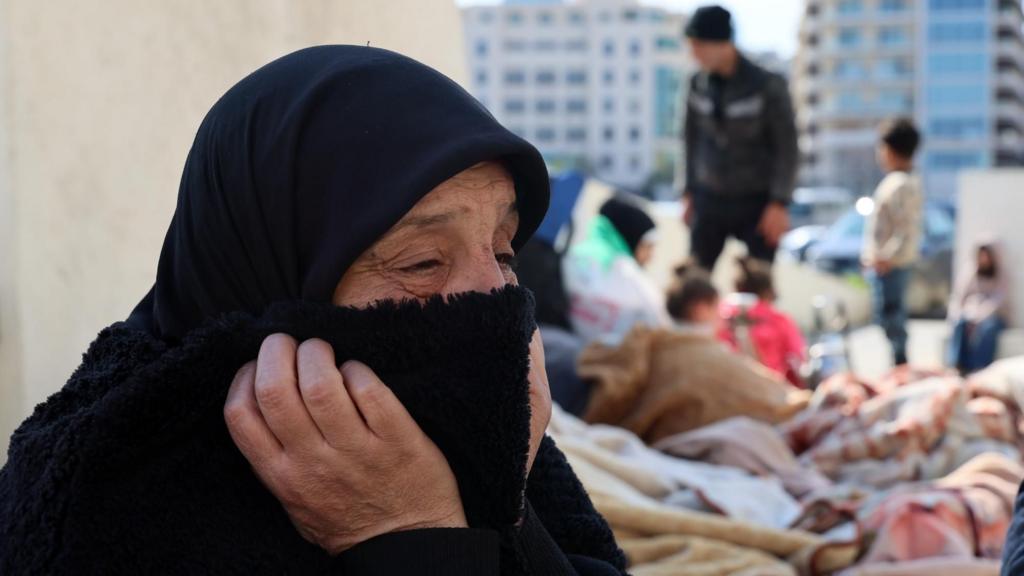
The acrid smell of smoke hangs heavy over Southern Lebanon, a grim reminder of the fragility of peace in a region perpetually teetering on the edge. Recent escalations, spearheaded by Hezbollah's calculated yet perilous attacks on Israel in purported support of Iran, have plunged the already beleaguered nation into renewed turmoil. Mass displacements echo the painful memories of past conflicts, while the dull thud of Israeli retaliatory strikes reverberate through villages, stoking the collective anger of a Lebanese populace weary of external agendas hijacking their stability.
Hezbollah's actions, framed within the broader context of Iranian regional strategy, represent a complex calculus of power. For Tehran, Lebanon serves as a crucial frontier in its ongoing shadow war with Israel and its allies. By leveraging Hezbollah's military capabilities, Iran projects influence and maintains a credible deterrent against perceived threats. However, this strategy exacts a devastating toll on Lebanon, effectively transforming the nation into a pawn in a geopolitical chess game.
The historical through-line reveals a pattern of external actors exploiting Lebanon's internal divisions for their own strategic gains. From the French mandate to the Syrian occupation, and now through Iran's patronage of Hezbollah, Lebanon's sovereignty has been consistently undermined. The nation's sectarian fault lines, exacerbated by a dysfunctional political system rife with corruption, render it particularly vulnerable to foreign interference.
The economic implications of this latest conflict are particularly dire. Lebanon is already grappling with a crippling financial crisis, exacerbated by years of mismanagement and political gridlock. Fresh displacements and infrastructure damage further strain the nation's limited resources and hinder any prospects of recovery. International aid, often contingent on political reforms, remains elusive, leaving the Lebanese people to bear the brunt of this crisis.
The social fabric of Lebanon is also under immense strain. The constant threat of violence breeds a sense of insecurity and despair, particularly among communities in the south. The influx of displaced persons places additional pressure on already stretched social services, exacerbating existing inequalities and fueling resentment. The long-term psychological impact of repeated displacement and trauma cannot be overstated, threatening to further destabilize Lebanese society.
The future of Lebanon hangs in the balance. A de-escalation of tensions and a renewed commitment to dialogue are essential to prevent a full-scale war. However, achieving these goals requires addressing the underlying drivers of conflict, including Iran's regional ambitions, Hezbollah's entrenched power within Lebanon, and the nation's deep-seated political and economic challenges. Without a concerted effort to address these issues, Lebanon risks becoming permanently locked in a cycle of violence and instability. The international community must play a more active role in fostering a sustainable peace, one that respects Lebanon's sovereignty and prioritizes the well-being of its people. Failure to do so could have catastrophic consequences, not only for Lebanon but for the entire region.