Back to home
INTERNATIONAL17 May 2026
The New Geometry of Conflict: Hezbollah’s Fibre‑Optic Drones Redefine the Israel‑Lebanon Front
BBC Verify analysis of recent Hezbollah drone videos shows a shift to fibre‑optic‑guided platforms, extending strike range and precision while complicating Israel’s air‑defence. This evolution signals deeper integration of Iranian‑crafted technology into Lebanon’s proxy network and hints at a more technologically intricate future conflict in the Levant.
La
La Rédaction
The Vertex
5 min read
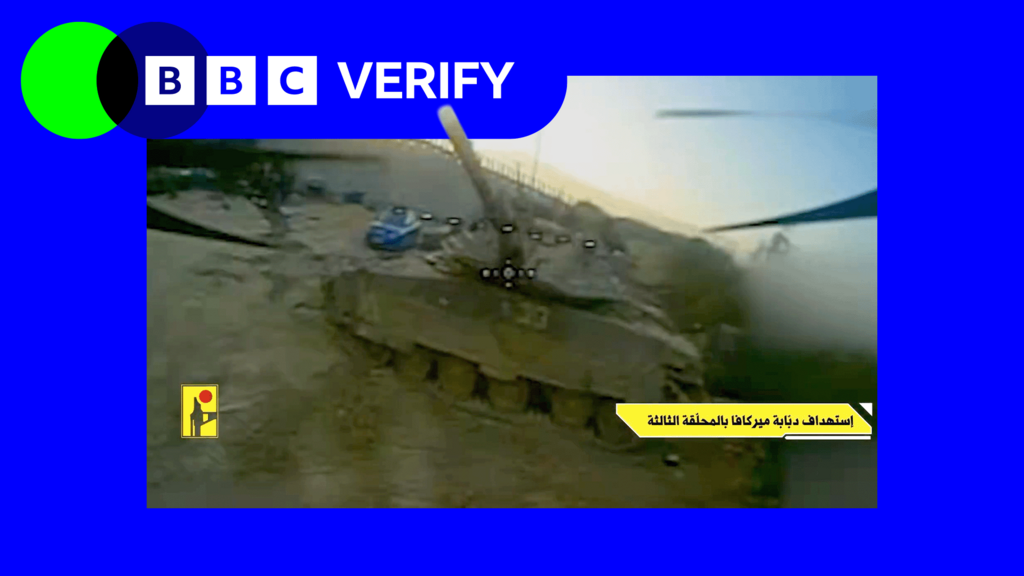
Source: www.bbc.com
Recent footage compiled by BBC Verify reveals Hezbollah’s shift toward fibre‑optic‑guided drones, a development that signals a new phase in its asymmetric campaign against Israel. Unlike earlier loitering munitions, these platforms transmit real‑time, high‑definition video through a thin cable, extending operational reach beyond visual line‑of‑sight and allowing precise targeting of strategic sites in the Galilee and beyond.
The technical innovation hinges on a lightweight fibre‑optic tether that can be deployed from a compact launch tube, granting the drone endurance comparable to traditional UAVs while eliminating the need for radio‑frequency control vulnerable to jamming. This capability suggests direct Iranian engineering input, reinforcing the perception that Hezbollah is evolving from a rocket‑thrower to a precision strike enabler, complicating Israel’s Iron Dome and aerial interception layers.
Placed in context, the emergence reflects a broader trend: regional actors are leveraging low‑cost, high‑tech drones to offset air‑superiority gaps, a pattern witnessed in the Red Sea and the Caucasus. For Israel, the drones raise both tactical and strategic concerns, as they can strike deep inside populated areas, blurring the line between combatant and civilian zones and potentially triggering diplomatic friction with international observers. The videos also underscore the growing role of non‑state actors in shaping strategic calculations, as Hezbollah’s ability to strike beyond the immediate border forces Israel to allocate resources to intelligence monitoring and civilian protection, thereby straining its already stretched defense budget. Moreover, the footage has been disseminated widely on social media, influencing public perception and potentially galvanizing regional allies, which could translate into increased pressure on Israel in diplomatic forums.
Looking ahead, the proliferation of fibre‑optic drones may compel Israel to develop counter‑tether systems and re‑evaluate its air‑defence posture, while Hezbollah could integrate these platforms into a broader swarm strategy. The evolving tactics thus foreshadow a more technologically intricate and less predictable theater of conflict in the Levant. Such a shift may also inspire other non‑state actors to adopt similar technologies, widening the diffusion of high‑precision drone capabilities across conflict zones.