Back to home
INTERNATIONAL7 May 2026
The Silent Threat at Sea: Hantavirus and the Fragility of Global Health
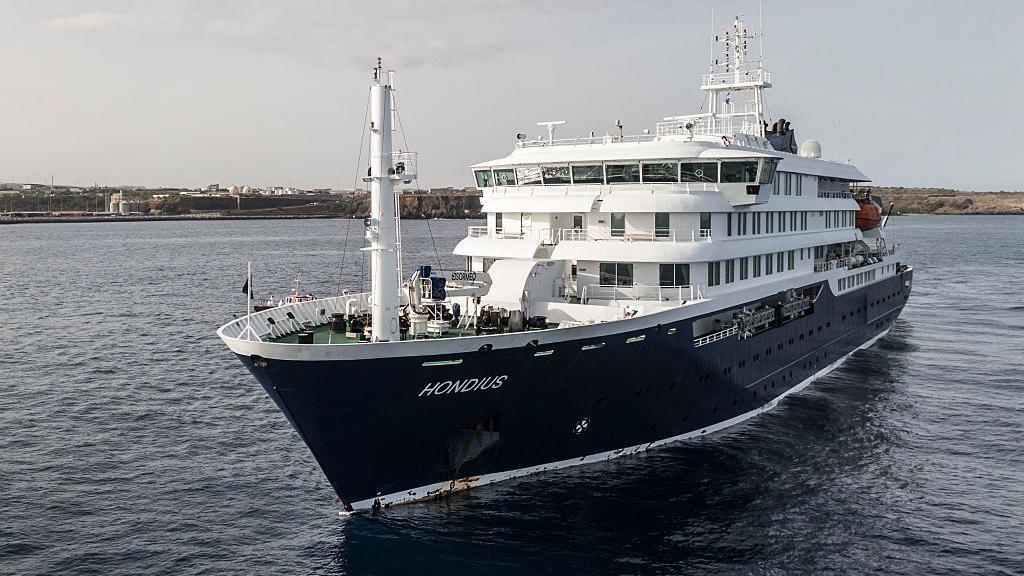
A 69-year-old woman’s death after exposure to hantavirus on the MV Hondius has triggered global contact tracing and exposed critical flaws in maritime public health systems.
La
La Rédaction
The Vertex
5 min read
Source: www.bbc.com
As the MV Hondius docked at St Helena under tense health scrutiny, the world watched a race against time to trace passengers potentially exposed to hantavirus. The death of a 69-year-old woman in South Africa underscores the virus’s lethal 38% fatality rate, transmitted through rodent droppings in poorly ventilated spaces—conditions not uncommon aboard confined vessels. With over 150 passengers potentially exposed, global health agencies launched a frantic contact tracing effort spanning continents. This incident exposes critical vulnerabilities in maritime public health systems, where confined spaces and rodent control challenges undermine safety protocols. Economically, the incident triggers insurance claims and reputational damage for the cruise line, while highlighting regulatory gaps in maritime sanitation standards. Socially, it revives fears of zoonotic diseases in global travel, echoing past outbreaks like Ebola and COVID-19. St Helena’s limited medical infrastructure further strains response efforts, underscoring the need for robust international health cooperation. Historically, hantavirus outbreaks like the 1993 Four Corners event reveal recurring vulnerabilities. As global mobility expands, such incidents may increase, testing the resilience of international health systems. Future measures may include stricter sanitation protocols, enhanced contact tracing, and stronger WHO-led frameworks for zoonotic threats. Without proactive action, the next race may not be against time—but against an unprepared world.