Back to home
INTERNATIONAL2 March 2026
The Shifting Sands: Gulf States Caught Between Iranian Ambitions and US Retreat
Gulf States face increasing threats from Iran targeting civilian infrastructure, exacerbated by uncertain US support and historical regional rivalries. The future depends on nuclear negotiations, US commitment, and Gulf state unity.
La
La Rédaction
The Vertex
5 min read
Source: www.bbc.com
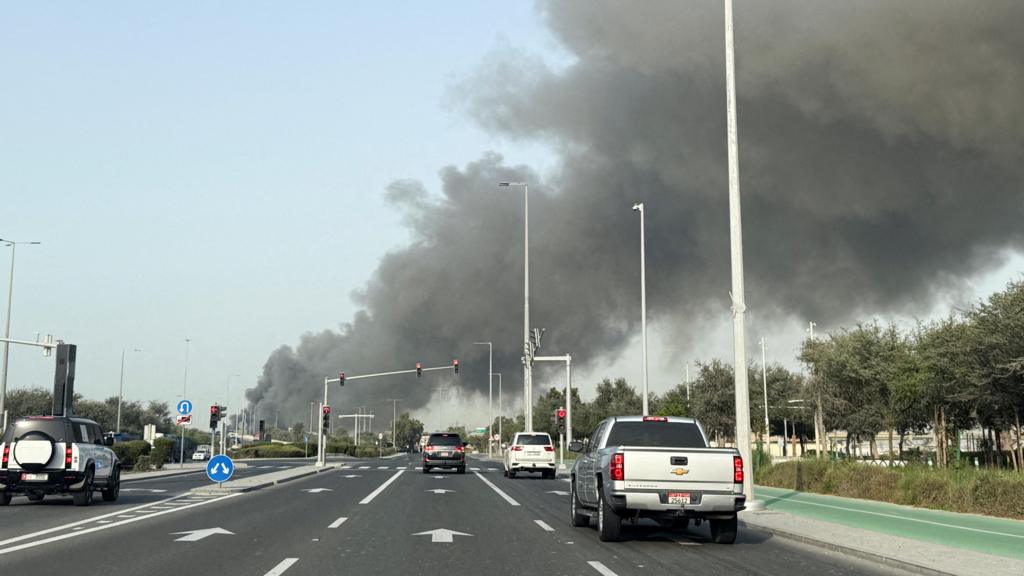
The azure waters of the Persian Gulf, once a symbol of burgeoning prosperity and strategic importance, are now increasingly stained with the anxieties of geopolitical realignment. A confluence of factors – Iran’s assertive regional posture, simmering tensions between Tehran and Washington, and a growing unease amongst Gulf Arab states about the reliability of U.S. security guarantees – have transformed the region into a tinderbox, threatening to ignite a conflict with global ramifications. The recent attacks attributed to Iran against critical infrastructure in Gulf nations mark a significant escalation, signaling a departure from traditional proxy conflicts and a move towards overt aggression that directly impacts civilian populations.
Historically, the Gulf has been a theater of great power competition, from the British Empire's dominance in the 19th and early 20th centuries to the rise of American influence after World War II. The discovery of oil further intensified this struggle, making the region a linchpin of global energy security. The Iranian Revolution of 1979 dramatically altered the landscape, introducing a powerful, religiously-inspired actor determined to challenge the existing order and export its revolutionary ideology. This sparked a long-standing rivalry with Saudi Arabia, fueled by sectarian differences, geopolitical ambitions, and the desire to be the dominant power in the Muslim world.
The United States, for decades, has acted as the primary security guarantor in the Gulf, maintaining a substantial military presence and forging close alliances with Saudi Arabia, the United Arab Emirates, Qatar, and other regional states. This commitment was predicated on containing Soviet influence during the Cold War and, subsequently, ensuring the free flow of oil and countering terrorism. However, recent years have witnessed a gradual shift in U.S. foreign policy, characterized by a growing weariness of protracted military engagements and a desire to rebalance resources towards addressing challenges in other regions, such as the rise of China.
This perceived retrenchment has left Gulf states feeling increasingly vulnerable. The Obama administration's negotiation of the Iran nuclear deal, while lauded by some as a diplomatic triumph, was viewed by many in the Gulf as a betrayal, a concession to Tehran that emboldened its regional ambitions. The Trump administration's subsequent withdrawal from the deal and imposition of “maximum pressure” sanctions further destabilized the region, leading to a series of escalatory incidents, including attacks on oil tankers and Saudi oil facilities.
The current situation is particularly precarious. Iran, facing crippling economic sanctions and internal unrest, appears to be adopting a more aggressive strategy, seeking to deter further pressure by demonstrating its ability to inflict pain on its adversaries. This includes targeting critical infrastructure, such as oil and gas pipelines, power plants, and desalination facilities, which directly impact the daily lives of Gulf citizens. The message is clear: any attempt to isolate or weaken Iran will come at a significant cost.
For the Gulf states, this presents a difficult dilemma. They are caught between a resurgent Iran and a potentially unreliable U.S. They need to balance their security concerns with the need to maintain economic stability and avoid a full-scale conflict. Some states, such as the UAE, have cautiously engaged in diplomatic outreach to Iran, seeking to de-escalate tensions and find areas of common interest. Others, like Saudi Arabia, remain more hawkish, advocating for a tougher stance against Tehran.
The future of the Gulf hinges on several factors. The first is the outcome of the ongoing negotiations over the Iran nuclear deal. A restored agreement, with robust verification mechanisms, could potentially reduce tensions and create a framework for regional dialogue. However, a failure to reach an agreement could lead to further escalation and a renewed push for nuclear weapons by Iran, triggering a dangerous arms race in the region. Secondly, the U.S. needs to clarify its long-term commitment to the Gulf and reassure its allies that it will remain a reliable security partner. This requires a clear and consistent policy, backed by credible military capabilities. Finally, the Gulf states themselves need to forge a more unified and coordinated approach to regional security. This includes strengthening their collective defense capabilities, promoting internal reforms, and addressing the underlying social and economic grievances that can be exploited by extremist groups.
The shifting sands of the Gulf demand a new paradigm, one that prioritizes diplomacy, de-escalation, and regional cooperation. The alternative is a descent into endless conflict, with devastating consequences for the region and the world.