Back to home
INTERNATIONAL7 March 2026
The Narrowing Sky: How the Iran Conflict is Reshaping Global Air Travel
The Iran conflict has forced airlines to avoid large swaths of airspace, leading to longer flights, higher costs, and a rethinking of global aviation routes. This disruption highlights the vulnerability of international travel to regional conflicts.
La
La Rédaction
The Vertex
5 min read
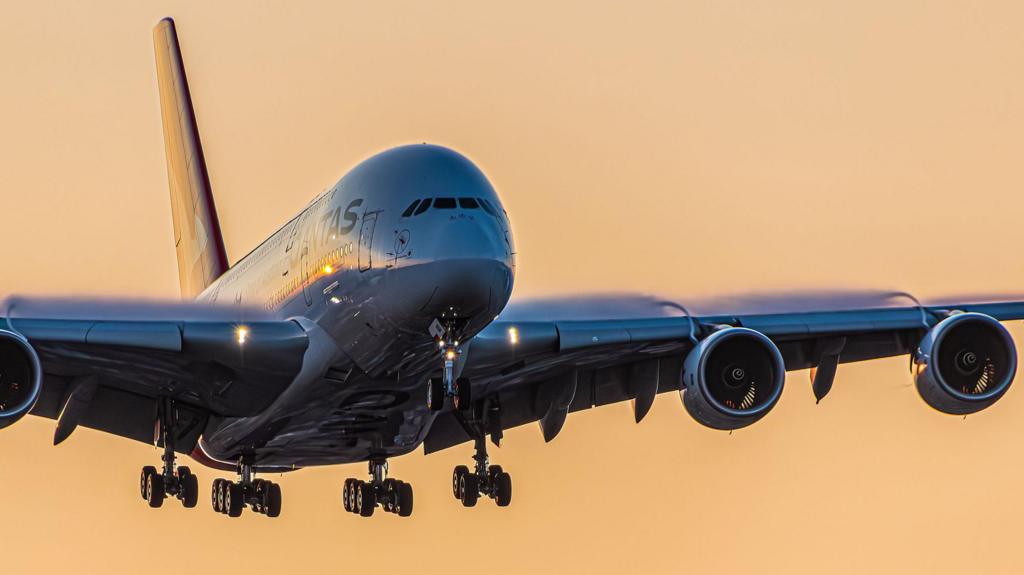
Source: www.bbc.com
The recent drone attack on Azerbaijan has added another layer of complexity to an already volatile airspace situation in the Gulf region. As tensions escalate between Iran and its neighbors, airlines are being forced to make increasingly difficult decisions about flight routes, with significant implications for global air travel.
The conflict has created a cascading effect on international aviation. Airlines are now avoiding not just Iranian airspace, but also adjacent territories that could potentially become targets. This has resulted in longer flight times, increased fuel consumption, and higher operational costs that are inevitably passed on to consumers.
Beyond the immediate economic impact, this situation raises questions about the vulnerability of global transportation networks to regional conflicts. The interconnectedness of modern aviation means that disruptions in one part of the world can have ripple effects across continents. Flight paths that were once considered safe corridors are now being reevaluated, forcing airlines to develop contingency plans that account for rapidly changing geopolitical realities.
Looking ahead, the aviation industry faces a critical juncture. As conflicts persist and new threats emerge, the traditional model of international air travel may need to be fundamentally reimagined. This could include developing alternative routes that bypass conflict zones entirely, investing in more fuel-efficient aircraft to offset increased distances, or even reconsidering the economic viability of certain routes altogether.
The narrowing of flight paths is not just a temporary inconvenience but a symptom of a broader shift in how we navigate our increasingly contested world. As the skies above conflict zones become no-fly zones, the global community must grapple with the long-term implications for international connectivity, commerce, and diplomacy.