Back to home
INTERNATIONAL18 June 2026
The Return of the Russian Shadow Fleet: A New Chapter in Black Sea Shipping
A Russian‑flagged bulk carrier entered the English Channel on Wednesday, the first known shadow‑fleet vessel since the 2023 MV Smyrtos incident. The move tests the limits of Western maritime enforcement and highlights Russia’s ongoing effort to bypass sanctions.
La
La Rédaction
The Vertex
5 min read
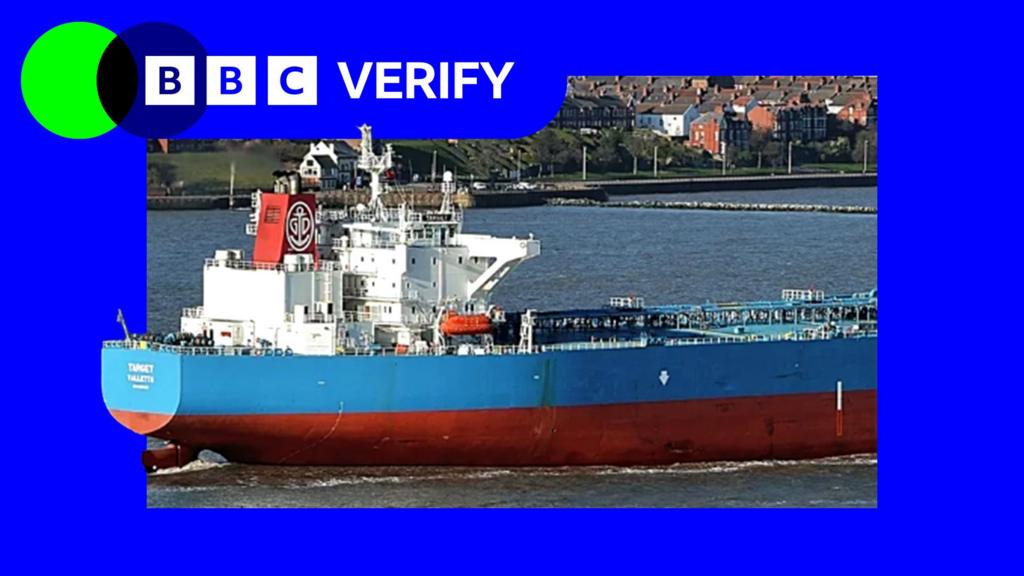
Source: www.bbc.com
On Wednesday evening, a Russian‑flagged vessel that left Primorsk last week slipped into the English Channel, marking the first known entry of a “shadow fleet” ship since the 2023 boarding of the MV Smyrtos.
The incident underscores a subtle but potent evolution in Moscow’s strategy to bypass Western sanctions by employing ageing bulk carriers with ambiguous ownership structures. By navigating a waterway heavily monitored by NATO and the UK’s Maritime and Coastguard Agency, the ship signals a willingness to test the limits of existing enforcement mechanisms. Economically, the movement reinforces the shadow fleet’s role in sustaining Russia’s oil export revenues, as these vessels often carry crude to refineries in countries not subject to sanctions. Politically, the episode highlights the fragmentation of the international maritime regime, where flag states and insurers increasingly distance themselves from Russian ownership while still permitting transit.
Moreover, the episode occurs amid heightened Baltic tensions, as NATO ramps up patrols to curb covert oil transfers. EU officials are drafting a rule requiring real‑time AIS data for vessels in EU waters, which could expose the shadow fleet’s routes. If adopted, it would tighten maritime oversight, though enforcement hinges on flag‑state cooperation. The incident also reignites debate within the EU about the adequacy of current maritime legislation, which was drafted before the era of covert oil shipments by state‑linked fleets. This development may accelerate calls for stricter vessel‑tracking requirements and secondary sanctions, testing the durability of existing maritime law.
In the coming months, the incident is likely to spur diplomatic pressure on flag registries and insurers to tighten compliance, while the UK may seek to expand surveillance capabilities in the Channel. However, the sheer number of aging ships makes comprehensive enforcement difficult. This development may accelerate calls for stricter vessel‑tracking requirements and secondary sanctions, testing the durability of existing maritime law.