Back to home
INTERNATIONAL10 March 2026
When AI Fails to Act: The Legal and Ethical Quandary of Predictive Responsibility
A Canadian family's lawsuit against OpenAI for allegedly failing to prevent a school shooting raises critical questions about AI companies' responsibilities in detecting and reporting potential threats, potentially reshaping the landscape of AI governance and ethics.
La
La Rédaction
The Vertex
5 min read
Source: www.bbc.com
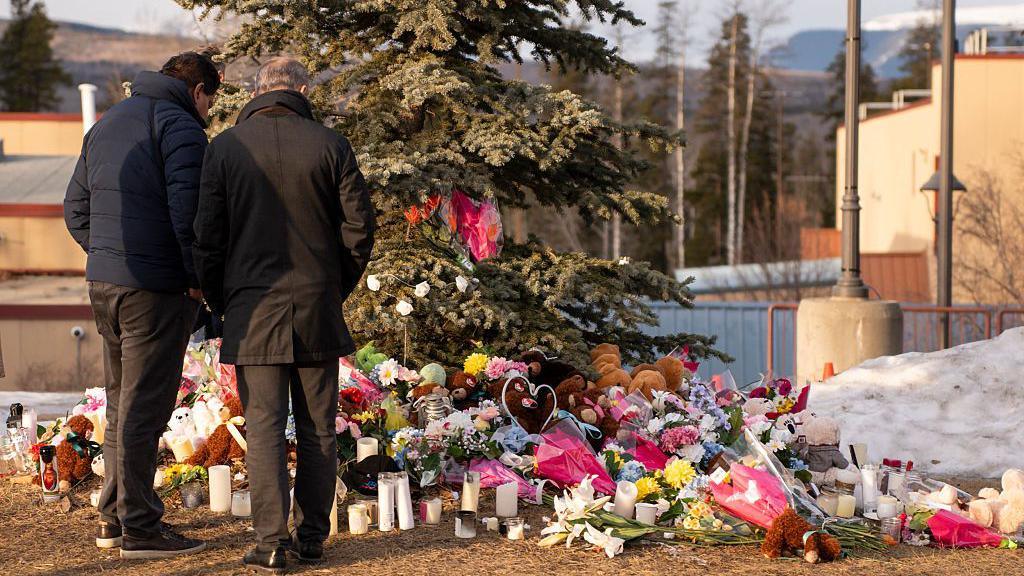
In a groundbreaking legal action, the family of a child injured in a recent Canadian school shooting has filed a lawsuit against OpenAI, alleging the company failed to alert authorities despite allegedly detecting warning signs in the perpetrator's interactions with its AI systems. This case raises profound questions about the evolving responsibilities of artificial intelligence companies in an era where predictive algorithms can potentially identify threats before they materialize.
The lawsuit centers on whether OpenAI had a duty to monitor and report concerning behavior detected through its language models. Legal experts suggest this case could establish critical precedents for AI governance, particularly regarding the balance between user privacy and public safety. The family's claim that OpenAI 'knew' about the impending violence but failed to act touches on the complex issue of AI's capacity to predict human behavior and the ethical obligations that come with such capabilities.
This incident occurs against the backdrop of growing concerns about AI's role in society. As language models become more sophisticated, their ability to detect patterns in human communication has increased dramatically. However, this technological advancement brings with it a host of ethical and legal challenges. Should AI companies be required to monitor all interactions for potential threats? Where do we draw the line between responsible oversight and invasive surveillance?
The outcome of this lawsuit could have far-reaching implications for the AI industry. It may force companies to implement more robust monitoring systems, potentially at the cost of user privacy. Alternatively, it could lead to clearer regulations defining the limits of AI companies' responsibilities. As we navigate this uncharted territory, one thing is clear: the intersection of AI technology and public safety will remain a contentious and evolving issue in the years to come.