Back to home
INTERNATIONAL13 March 2026
Exiled Kurdish Fighters: The Looming Shadow of Iranian Drones
Exiled Kurdish fighters in Iraq face escalating drone attacks from Iran, highlighting the ongoing struggle for Kurdish autonomy and the broader geopolitical tensions in the region.
La
La Rédaction
The Vertex
5 min read
Source: www.bbc.com
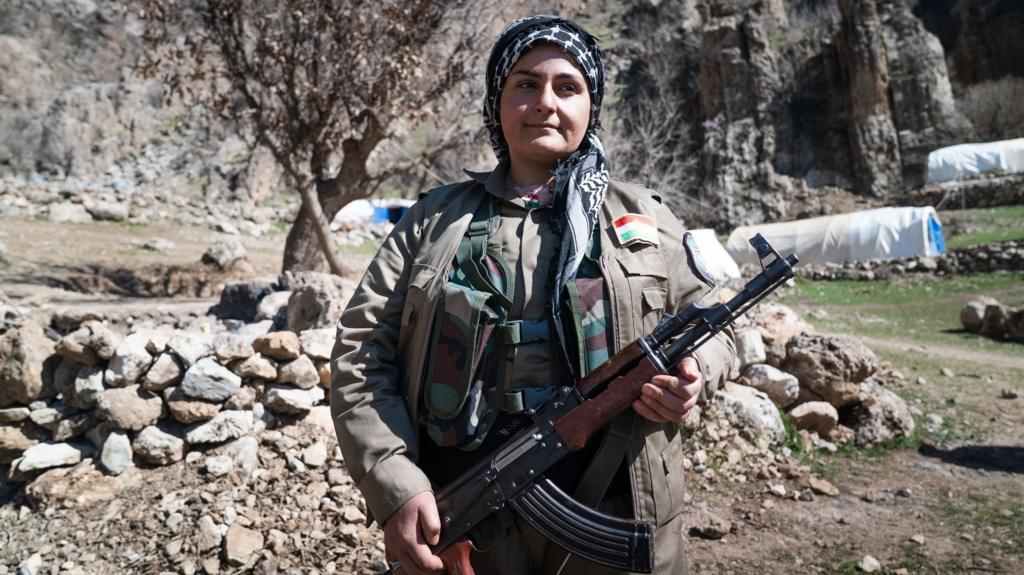
In the rugged mountains of northern Iraq, a group of Kurdish fighters, driven into exile by the Iranian regime, are bracing for a potential return to their homeland. Their situation is emblematic of the broader geopolitical tensions simmering in the region, where Tehran's influence casts a long shadow over the aspirations of ethnic minorities.
The recent escalation of drone attacks by Iran on these Kurdish bases underscores a strategy of intimidation and control. These unmanned aerial vehicles, symbols of modern warfare, are being used to suppress dissent and maintain a grip on the Kurdish population. The fighters, who claim to be "ready to go home," are caught in a precarious position, balancing the desire for autonomy with the harsh realities of confronting a powerful state.
This conflict is not just about territorial disputes; it is deeply rooted in the historical struggle of the Kurdish people for recognition and self-determination. The Iranian regime's actions reflect a broader pattern of suppressing minority rights, a tactic that has often led to prolonged instability in the region. The international community's response, or lack thereof, further complicates the situation, as geopolitical interests often overshadow humanitarian concerns.
Looking ahead, the future of these exiled fighters and their quest for a homeland remains uncertain. The drone attacks may serve as a deterrent, but they also highlight the resilience and determination of the Kurdish resistance. As the situation evolves, the world watches closely, aware that the outcome could have significant implications for regional stability and the broader struggle for minority rights in the Middle East.