Back to home
INTERNATIONAL13 May 2026
The Ice Barrier: Navigating Everest’s New Hazard
A massive ice slab opened a new route on Everest just as nearly a thousand climbers prepare to ascend, raising safety and environmental concerns amid accelerating climate change.
La
La Rédaction
The Vertex
5 min read
Source: www.bbc.com
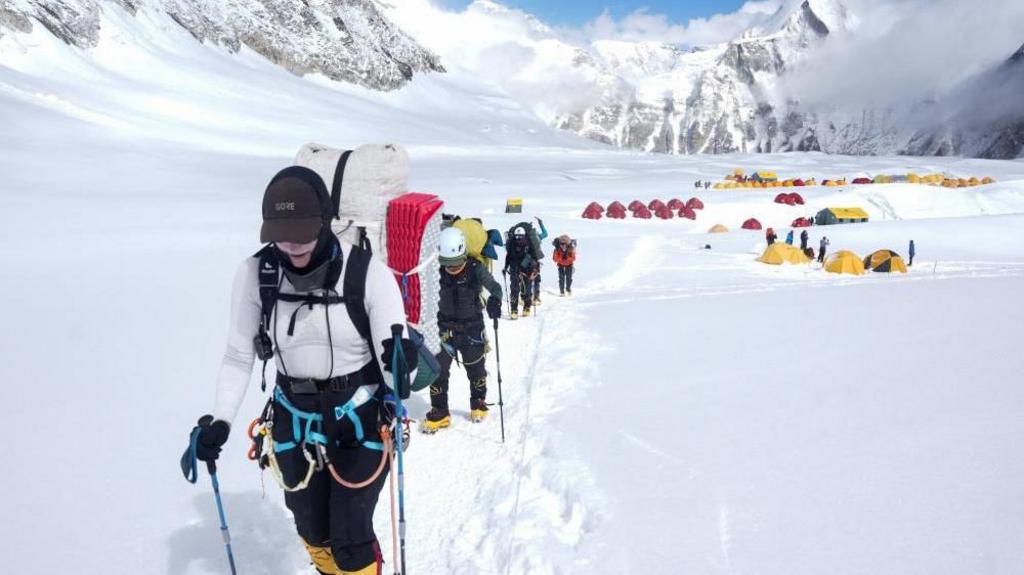
At the start of the climbing season, a massive slab of ice that had long sealed the upper ridge of Mount Everest was dislodged, opening a narrow corridor to the summit. With nearly a thousand aspirants set to tackle the roof in the coming weeks, the episode underscores a paradox at the heart of high‑altitude mountaineering: the quest for conquest now collides with a rapidly shifting environment.
The newly exposed ice, while reducing one obstacle, has destabilised the surrounding seracs and altered wind patterns, increasing the risk of avalanches and falls. Moreover, the surge of climbers amplifies crowding on the bottleneck routes, a factor that historically contributed to the deadly 2019 traffic jam. The increased exposure also heightens the likelihood of crevasse falls, a hazard that has claimed lives even on well‑trodden paths.
This incident fits into a broader narrative of climate‑driven change on the world’s highest peak. Rising temperatures have accelerated glacier melt, exposing previously hidden crevasses and reshaping the mountain’s anatomy. The commercialisation of Everest, with its fixed‑rope systems and guided expeditions, has already pushed the limits of sustainable ascent, and the current ice clearance may force a reevaluation of permit quotas and seasonal windows. International agencies are now considering mandatory acclimatization pauses and enhanced rescue capabilities to mitigate the amplified dangers.
Looking ahead, the episode suggests that without stricter governance and adaptive technology, the allure of Everest could become a liability. Future climbers may need to rely on real‑time ice monitoring, revised routing protocols, and a more disciplined approach to crowd management if the mountain is to remain a viable, safe destination. Such measures could also curb the growing ecological footprint, preserving the fragile alpine ecosystem that supports the very routes climbers depend upon.