Back to home
ECONOMY2 March 2026
Geopolitics and the Barrel: The Looming Energy Crisis Amidst Escalating Conflict
Escalating geopolitical instability drives oil and gas prices upwards, highlighting the interconnectedness of energy security and international relations. The crisis necessitates a transition toward renewable energy and strategic international cooperation.
La
La Rédaction
The Vertex
5 min read
Source: www.bbc.com
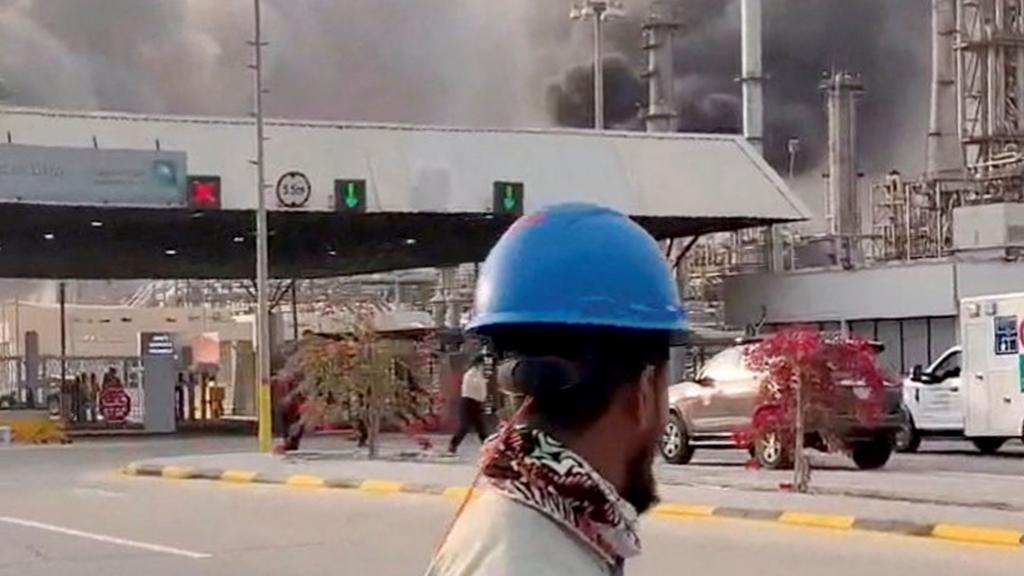
The specter of heightened geopolitical instability has once again cast its shadow upon global energy markets, sending prices for oil and gas spiraling upwards. While short-term fluctuations are commonplace, the current surge transcends typical market volatility, rooted as it is in the deeply intertwined relationship between energy security and international relations. The immediate catalyst, as widely reported, is the escalation of an unnamed conflict, yet the underlying dynamics are far more complex, reflecting decades of strategic maneuvering, resource competition, and shifting power balances.
Historically, energy prices have served as both a barometer and a driver of global political tensions. The oil shocks of the 1970s, triggered by geopolitical events in the Middle East, fundamentally reshaped the world economy, forcing nations to confront their dependence on finite resources and sparking a wave of technological innovation aimed at energy diversification. In the present context, the implications of surging oil and gas prices extend far beyond the immediate economic impact. Higher energy costs inevitably translate into increased inflationary pressures, which disproportionately affect vulnerable populations and can trigger social unrest. From the perspective of national security, control over energy resources has long been viewed as a strategic imperative. Nations with abundant reserves wield significant geopolitical influence, while those reliant on imports are often subject to external pressures. The current crisis underscores this dynamic, highlighting the vulnerability of countries heavily dependent on a single source of energy supply. European countries, in particular, have been scrambling to diversify their energy sources after being dependent on Russia.
Examining the present situation necessitates a multi-faceted approach. Economically, the rise in oil and gas prices impacts various sectors, from transportation and manufacturing to agriculture and consumer spending. The inflationary pressures exacerbate existing economic challenges, such as supply chain disruptions and labor shortages, creating a complex web of interconnected problems. Furthermore, governmental responses to the energy crisis, such as price controls or subsidies, can have unintended consequences, distorting market signals and potentially exacerbating long-term supply issues. Politically, the energy crisis has the potential to reshape international alliances. Countries are now actively seeking alternative energy partners, forging new geopolitical alignments based on shared resource interests. This could lead to a reconfiguration of global power dynamics, with countries possessing significant energy reserves gaining increased leverage in international affairs. Socially, the impact of rising energy prices is particularly pronounced on lower-income households, who spend a larger proportion of their income on energy-related expenses. This can lead to increased poverty, social inequality, and political instability.
Looking ahead, the current energy crisis is likely to accelerate the transition towards renewable energy sources. Governments and businesses are now under increased pressure to invest in sustainable energy technologies, such as solar, wind, and geothermal power. However, the transition will not be seamless, requiring significant investments in infrastructure, technological advancements, and policy adjustments. The reliance on global supply chains for renewable energy components also represents a potential vulnerability. Furthermore, the long-term implications of the energy crisis will depend on the nature and duration of the conflict that triggered it. A prolonged period of instability could lead to a fundamental reshaping of the global energy landscape, with profound consequences for international relations, economic development, and social stability. As nations grapple with the challenges of energy security in an increasingly uncertain world, strategic foresight, international cooperation, and a commitment to sustainable energy solutions will be crucial for navigating the complex path ahead. The coming years will undoubtedly witness a period of profound transformation in the global energy sector, driven by a confluence of geopolitical, economic, and technological forces.