Back to home
INTERNATIONAL2 July 2026
A Silent Threat: The 11‑Year‑Old’s Encounter with Rabies in Rural Canada
An 11‑year‑old boy in Ontario died after a bat landed on his face, marking Canada’s latest rabies fatality. The case underscores the rarity of the disease and the need for continued public awareness.
La
La Rédaction
The Vertex
5 min read
Source: www.bbc.co.uk
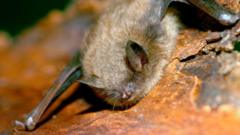
On a July 2, 2026, an 11‑year‑old boy in a remote region of Ontario awoke to find a bat perched on his face, an encounter that proved fatal. The incident marks the latest human rabies death in Canada, a disease that remains exceptionally rare but lethal once contracted.
Rabies infections are statistically uncommon in Canada, with only 28 recorded human fatalities since 1924, according to public health records. The province’s wildlife surveillance network promptly identified the bat species involved and traced potential exposure routes, underscoring a robust response framework. Nonetheless, the case highlights the persistent risk posed by bats in rural habitats and the need for heightened community awareness about nocturnal wildlife encounters.
Historically, Canada’s low rabies mortality reflects stringent animal control policies, widespread pet vaccination, and effective post‑exposure prophylaxis. The 28 deaths over a century correspond to an average of less than one case per decade, positioning the nation among the safest in the world for this zoonosis. Comparatively, many low‑income nations experience far higher incidence, illustrating the impact of integrated health infrastructure.
Health officials are now urging clinicians to consider rabies in differential diagnoses for unexplained encephalitic presentations, especially in pediatric cases with wildlife exposure. Enhanced public education about safe bat handling and the availability of pre‑exposure vaccination for high‑risk groups could further reduce the already minimal risk. The tragedy serves as a reminder that even in a vigilant health system, rare zoonoses can still claim young lives. Such proactive measures align with WHO recommendations to strengthen surveillance and community engagement, ensuring that future incidents are averted.