Back to home
INTERNATIONAL11 June 2026
El Niño Ignites Global Weather Turbulence: Scientists Warn of Heightened Extremes
Scientists have confirmed the onset of El Niño, warning that its warming of the tropical Pacific could trigger a wave of extreme weather events worldwide. The resulting impacts on agriculture, energy demand, and infrastructure underscore the urgent need for coordinated preparedness.
La
La Rédaction
The Vertex
5 min read
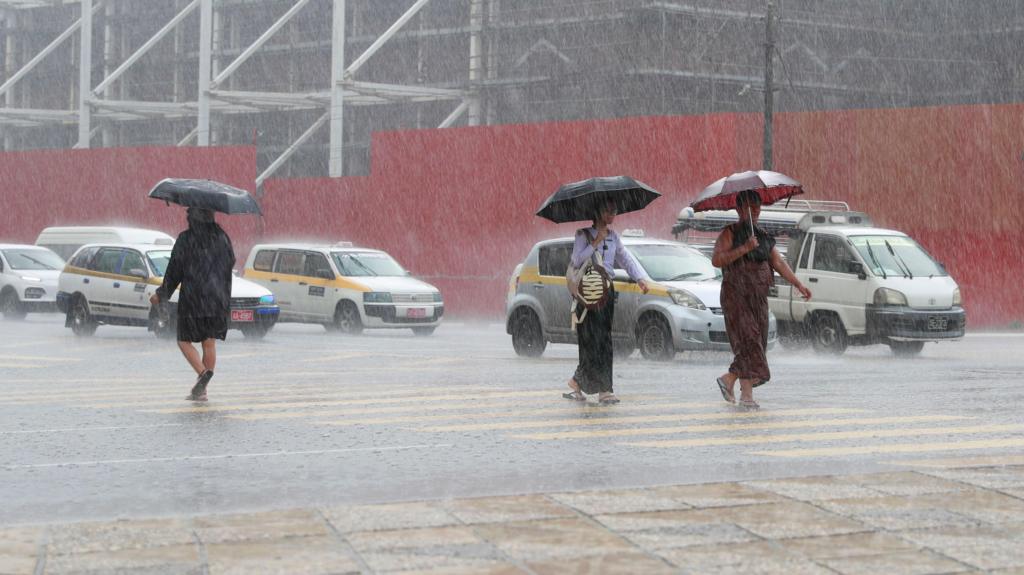
Source: www.bbc.com
El Niño has been officially declared by U.S. climate agencies, a development that immediately revives concerns over unprecedented weather volatility. The phenomenon, characterized by anomalous warming of the central and eastern tropical Pacific, tends to disrupt atmospheric circulation patterns worldwide, leading to a cascade of extreme events ranging from torrential rains to protracted droughts.
The repercussions are already visible in multiple sectors. In agriculture, altered precipitation regimes threaten staple crop yields in vulnerable regions of Africa and South America, while heightened heatwaves increase energy demand for cooling in urban centers across Asia and North America. Infrastructure systems face added stress as flood defenses are tested by intensified storm activity, and disaster response agencies must allocate resources more dynamically than in typical years.
Historically, El Niño episodes have occurred roughly every two to seven years, with the 1997‑98 event serving as a benchmark for global economic loss. Contemporary climate models indicate that a warming planet may amplify the intensity and frequency of such events, making the current episode a bellwether for climate adaptation strategies. The interplay between El Niño and long‑term anthropogenic warming adds a layer of uncertainty to forecasting.
Looking ahead, the outlook suggests a need for proactive governance. Early‑warning systems, resilient agricultural practices, and coordinated international financing mechanisms will be essential to mitigate the socioeconomic shocks anticipated. As scientists continue to refine predictive models, policymakers must translate scientific insight into actionable risk‑reduction plans, lest the promise of early detection be undermined by delayed response. The coming months will be critical for testing the resilience of national emergency frameworks.