Back to home
INTERNATIONAL19 May 2026
Ebola’s Grip: Fear and Delay in Eastern DR Congo
Health Minister admits medics are playing catch‑up after weeks of delayed detection, sparking fear across eastern DR Congo. The crisis reveals deep flaws in security, health infrastructure and community trust, with risks of regional spread.
La
La Rédaction
The Vertex
5 min read
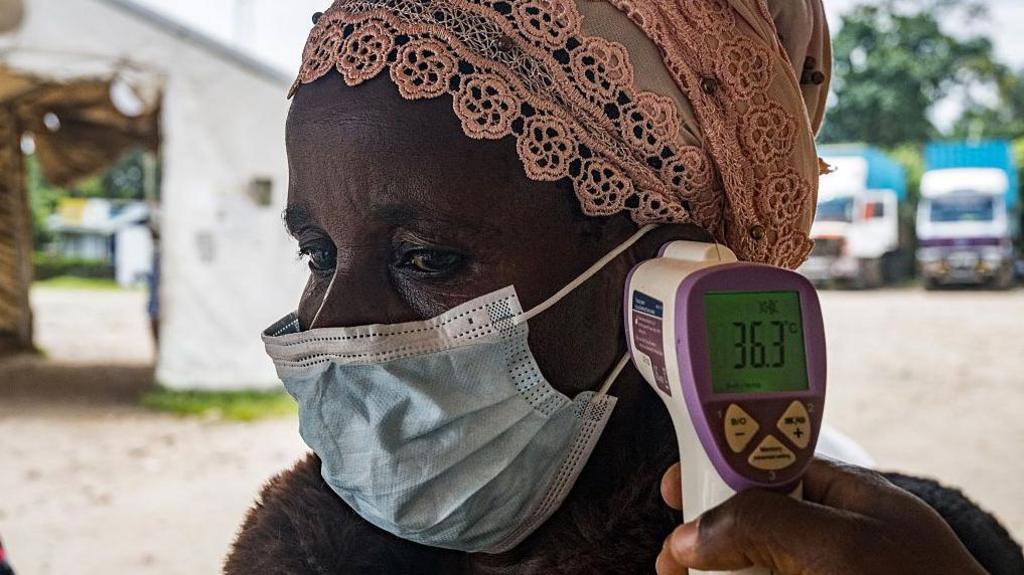
Source: www.bbc.com
Health Minister Dr. admitted that medics are scrambling to catch up after the virus was detected weeks late, a confession that underscores the depth of the crisis in eastern Democratic Republic of Congo. The capital, Kinshasa, has dispatched additional personnel, but logistical bottlenecks and insecure routes limit their reach to the affected provinces.
The delay stems from multiple layers of failure: the restrictions of security limit the mobility of health teams, the historical mistrust rooted in past abuses hampers community cooperation, and the national health system, underfunded and fragmented, lacks the capacity for rapid diagnostics and contact tracing, forcing responders into a reactive mode rather than a preventive one. Corruption allegations further erode the credibility of local health authorities, discouraging patients from seeking timely care.
Ebola’s reappearance echoes the 2014‑2016 West Africa epidemic, where delayed detection allowed exponential spread. In 2020‑2021, Rwanda contained its outbreak through aggressive vaccination campaigns, yet the current wave threatens to undo those gains, especially as cross‑border trade and internal displacement increase transmission risk to neighboring Uganda and Rwanda. The World Health Organization has warned that insufficient funding for surveillance risks repeating the mistakes that let the disease simmer unnoticed for months.
Looking forward, the window for effective intervention narrows with each missed case. Success will depend on integrating surveillance with community outreach, securing safe corridors for health workers, and mobilizing international resources without delay. Without a coordinated regional strategy, the virus could become entrenched, turning a localized emergency into a persistent regional threat.