Back to home
INTERNATIONAL19 May 2026
Ebola’s Hidden Surge: WHO Warns of Accelerating Outbreak
A senior WHO physician warns that the true number of Ebola cases in central Africa may be far higher than reported, raising concerns of an accelerating outbreak. The crisis touches political, economic and social dimensions, and its future depends on swift international coordination and sustained funding.
La
La Rédaction
The Vertex
5 min read
Source: www.bbc.com
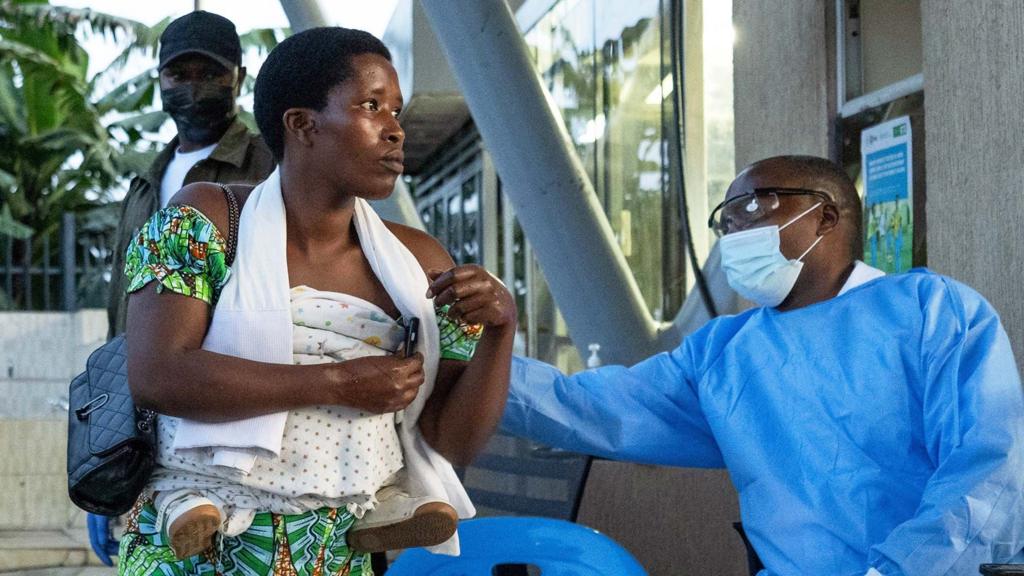
An ominous alert from a senior World Health Organization physician has reignited concern that the Ebola virus is surging beyond the handful of cases initially reported in central Africa. While official counts hover around a few hundred suspected infections, experts warn the true tally may be far higher, prompting fears of an accelerating outbreak.
The potential scale of the crisis touches several critical domains. Politically, the disease threatens to exacerbate existing tensions in regions already strained by conflict and weak governance, undermining state legitimacy and fueling distrust in health authorities. Economically, reduced mobility and trade disruptions could ripple through already fragile economies, discouraging investment and straining humanitarian budgets. Socially, pervasive misinformation and cultural practices surrounding burial rites pose formidable barriers to containment, while the psychological toll on communities may fuel long‑term stigma.
Contextualising this alarm within a broader history reveals recurring challenges. The 2014‑2016 West Africa epidemic exposed the limits of rapid response mechanisms, and subsequent outbreaks in the Democratic Republic of Congo underscored the difficulty of operating in volatile environments. Weak surveillance networks, insufficient laboratory capacity, and the politicisation of aid further impede effective containment, echoing lessons that remain only partially learned.
Looking ahead, the outlook hinges on decisive international coordination. Accelerated funding for surveillance, vaccination campaigns, and community‑led education is essential, as is the establishment of flexible financing mechanisms that can mobilise resources without bureaucratic delay. If these measures are not swiftly implemented, the virus could transition from a localized emergency to a sustained regional threat, with profound health and socio‑economic repercussions.