Back to home
INTERNATIONAL27 May 2026
When Ebola Meets Conflict: DR Congo's Precarious Crossroads
The WHO warns that escalating armed conflict in eastern DR Congo is hampering Ebola response, creating a dangerous synergy that threatens health gains and civilian safety. Integrated peace‑security strategies are urgently needed to prevent a larger catastrophe.
La
La Rédaction
The Vertex
5 min read
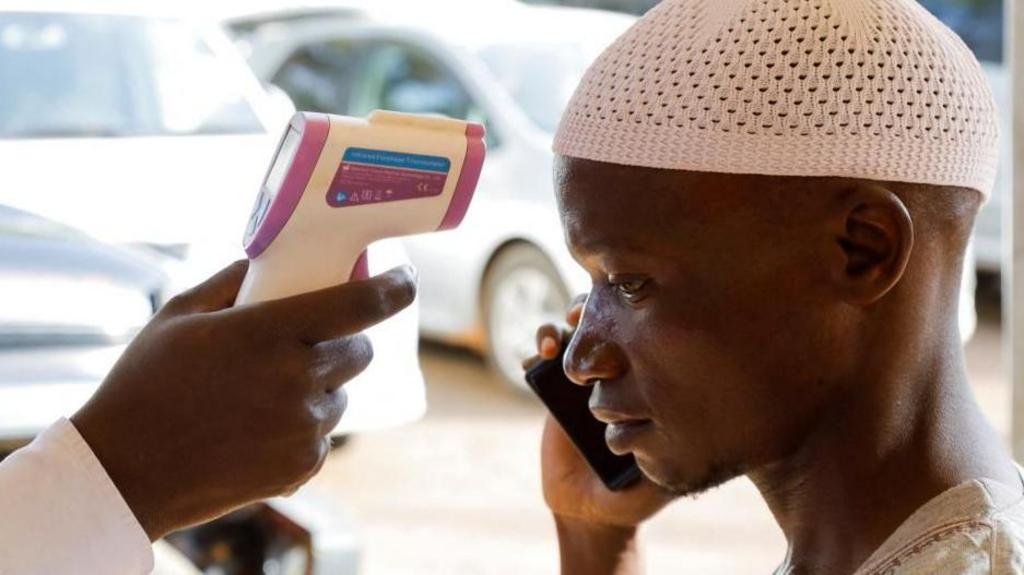
Source: www.bbc.com
The World Health Organization director‑general Tedros Adhanom Ghebreyesus warned that the resurgence of Ebola in the Democratic Republic of Congo coincides with an escalation of armed conflict, creating a “catastrophic collision” that threatens both public health and civilian safety. The disease, already entrenched in the eastern provinces, now spreads amid nightly skirmishes between government forces and militia groups, complicating contact‑tracing, vaccine deployment and safe burial practices.
Security constraints prevent health teams from reaching remote villages, forcing them to operate under armed guard or abandon missions altogether. The resulting gaps in surveillance allow the virus to circulate silently, while displacement fuels mistrust of medical institutions, as communities fear that treatment centers are fronts for military recruitment. Moreover, the diversion of resources from development projects to emergency response strains already fragile economies, deepening poverty cycles.
Historically, Ebola outbreaks in the DRC have been exacerbated by political instability; the 2014‑16 epidemic highlighted how limited state presence hampers rapid response. The current conflict, rooted in competition over mineral wealth and ethnic grievances, follows a pattern where health emergencies become secondary to security imperatives, undermining decades of progress in disease surveillance and community engagement.
The intersection of epidemiology and insurgency signals a broader trend: health crises are increasingly intertwined with geopolitical instability, demanding coordinated diplomatic and humanitarian interventions rather than siloed responses.
To avert a larger catastrophe, the international community must integrate peace‑building with health security, ensuring that ceasefires facilitate medical access and that funding mechanisms reward joint health‑security programming. Without such synergy, the virus may exploit the chaos, heralding a protracted emergency.