Back to home
INTERNATIONAL20 March 2026
Turbulence Incident Raises Questions About Flight Safety Protocols
A Delta flight's severe turbulence incident in Sydney highlights growing aviation safety concerns as climate change increases turbulence frequency, raising questions about current protocols and the need for advanced detection systems.
La
La Rédaction
The Vertex
5 min read
Source: www.bbc.com
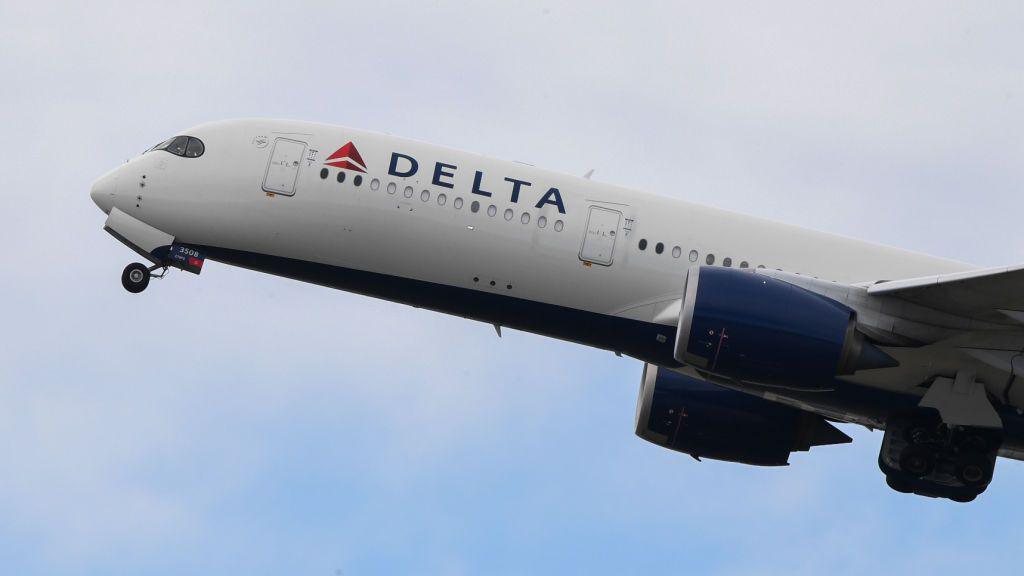
When severe turbulence struck a Delta Air Lines Airbus A350 during its final approach to Sydney Airport, it sent three flight attendants to the hospital and rattled passengers on board. While turbulence incidents are not uncommon, this particular event highlights growing concerns about aviation safety in an era of increasingly unpredictable weather patterns.
The incident occurred as the aircraft was descending through what appeared to be clear air turbulence—a phenomenon notoriously difficult to detect with current technology. Meteorologists suggest that climate change may be contributing to more frequent and intense turbulence events, particularly along busy international flight corridors.
Aviation experts point out that while modern aircraft are engineered to withstand extreme turbulence, the human element remains vulnerable. Flight attendants, who are often standing during descent preparing the cabin for landing, are particularly at risk. This raises questions about whether current safety protocols adequately protect crew members during critical flight phases.
Airlines are now facing pressure to invest in more advanced turbulence detection systems and to potentially revise policies regarding when cabin crew must be seated. Some carriers are exploring the use of real-time weather data analytics to better predict and avoid turbulent zones.
As air travel continues to rebound post-pandemic, incidents like this serve as stark reminders that despite technological advances, flying still involves inherent risks. The aviation industry must balance operational efficiency with enhanced safety measures to protect both passengers and crew in an era of changing atmospheric conditions.
The investigation into this Sydney incident will likely yield recommendations that could reshape turbulence response protocols across the industry.