Back to home
INTERNATIONAL8 June 2026
Deadly 7.8 Magnitude Quake Claims at Least 19 Lives in Southern Philippines
A magnitude‑7.8 earthquake struck southern Mindanao, killing at least nineteen people and generating a small tsunami that reached coasts in Indonesia and Japan. The disaster exposes chronic vulnerability and economic fragility in a region already strained by natural hazards.
La
La Rédaction
The Vertex
5 min read
Source: www.bbc.com
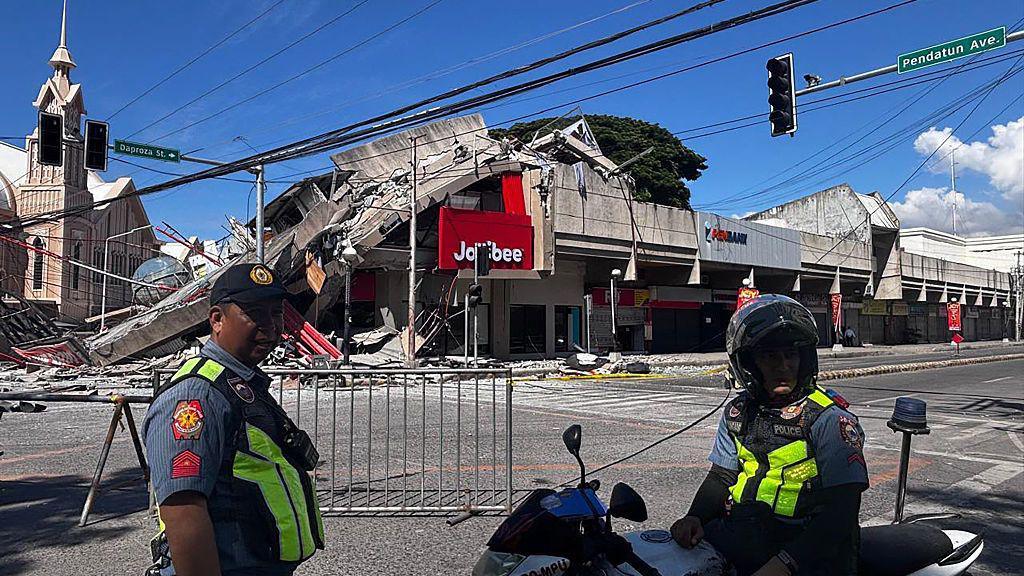
A magnitude‑7.8 earthquake hit southern Mindanao on March 11, killing at least nineteen people and generating a small tsunami that reached coasts in Indonesia and Japan. The shallow quake, occurring just before dawn, shattered homes and infrastructure across several provinces, exposing the region’s fragility.
The disaster highlights the Philippines’ chronic vulnerability to seismic shocks, compounded by rapid urbanisation and often lax enforcement of building codes. Informal settlements, built with substandard materials, bore the brunt of the collapse, revealing deep socioeconomic inequities. Agricultural losses, which constitute a key component of Mindanao’s economy, threaten food security and household incomes, while damaged roads hinder relief operations and market access.
Historically, the archipelago sits on the Pacific Ring of Fire, averaging twenty‑five magnitude‑5+ quakes annually. The 2017 Surigao del Sur event, a 6.7‑magnitude shock, caused similar devastation and sparked debate over resilience measures, yet implementation of stricter standards remains uneven across local jurisdictions.
Looking forward, experts caution that rising sea levels may amplify tsunami damage, while demographic growth increases exposure. Strengthening construction codes, expanding early‑warning networks, and fostering regional cooperation on emergency response are urgent steps. The tragedy thus reinforces a broader lesson: in a seismically active and densely populated archipelago, proactive risk management is essential for sustainable development.
Beyond immediate human costs, the quake disrupts supply chains for minerals and agricultural exports, sectors that underpin Mindanao’s economy. International aid, while swift, often arrives in fragmented form, highlighting the need for coordinated regional mechanisms. Moreover, the psychological trauma inflicted on survivors, many of whom have endured previous typhoons, underscores the importance of mental health services in post‑disaster recovery.