Back to home
POLITICS24 March 2026
Denmark's Pivotal Election: Frederiksen's Bid for Third Term Amid Shifting Political Winds
Denmark votes in a crucial election as PM Mette Frederiksen seeks a third term, facing declining support amid economic concerns despite her earlier popularity for standing up to US pressure over Greenland.
La
La Rédaction
The Vertex
5 min read
Source: www.bbc.com
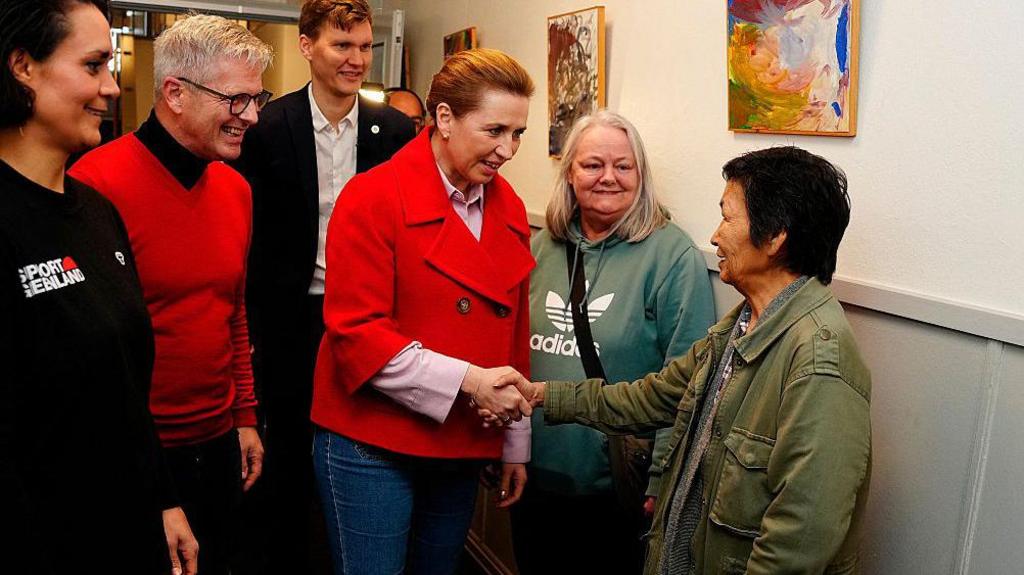
Denmark's general election has become a referendum on Mette Frederiksen's leadership as she seeks an unprecedented third term as prime minister. The Social Democratic leader, who has dominated Danish politics since 2019, faces a markedly different political landscape than in her previous victories.
Frederiksen's tenure has been defined by her firm stance on immigration and her controversial decision to cull millions of mink during the COVID-19 pandemic. However, her international profile soared when she forcefully rejected former President Donald Trump's suggestion that the United States might purchase Greenland, Denmark's autonomous territory. This moment of defiance against American pressure briefly boosted her popularity domestically.
Yet the political honeymoon proved short-lived. Recent polls indicate Frederiksen's support has eroded significantly since 2022, with voters expressing concerns about inflation, housing costs, and the government's handling of welfare reforms. The opposition, led by the center-right Liberal Party, has capitalized on economic anxieties, promising tax cuts and increased business investment.
What makes this election particularly significant is Denmark's evolving role in European security. As a founding member of NATO and a vocal supporter of Ukraine, Denmark's next government will influence how the Nordic region responds to ongoing geopolitical tensions. The outcome could also impact Denmark's traditionally strong welfare state model, as parties debate how to maintain social protections amid fiscal constraints.
The election represents more than a choice between parties—it's a test of whether Denmark's electorate wants continuity with Frederiksen's pragmatic, center-left approach or a shift toward more conservative economic policies. The result will shape not only Denmark's domestic trajectory but also its position within an increasingly complex European political landscape.