Back to home
POLITICS21 May 2026
Cuba as a National Security Concern: Rubio’s Warning and Its Geopolitical Implications
Senator Marco Rubio has framed Cuba as a direct national security threat to the United States, citing strategic ties with Russia and Venezuela. The warning signals a potential shift toward tougher sanctions and heightened military presence in the Caribbean.
La
La Rédaction
The Vertex
5 min read
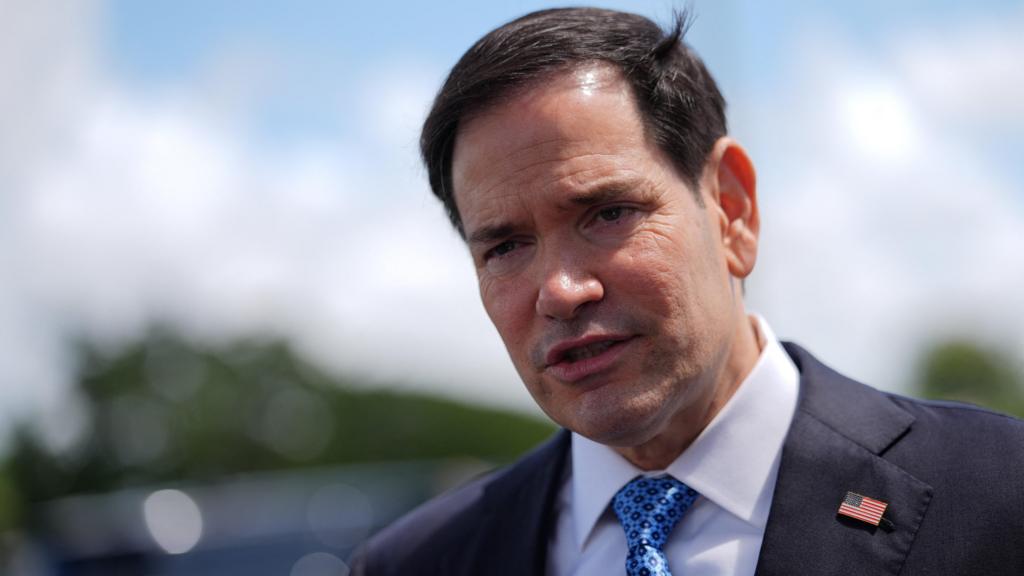
Source: www.bbc.com
In a recent op‑ed, Senator Marco Rubio framed Cuba not merely as an ideological relic but as a direct national security threat to the United States, reviving Cold‑War rhetoric while highlighting contemporary concerns about hemispheric stability and the lingering legacy of the 1962 missile crisis. This framing arises amid scrutiny of Havana’s human‑rights record and growing ties with regional rivals.
Rubio points to Cuba’s strategic alignment with Caracas and Moscow, its limited capacity to influence the region, and the constraints on U.S. diplomatic and commercial engagement that hinder intelligence gathering. He also stresses a domestic political calculus, noting that a hardline stance resonates with voters wary of perceived erosion of American influence in the Caribbean. It also reflects U.S. attempts to curb China’s expanding influence in Latin America.
This narrative builds on a longer history: after the 1959 revolution Cuba became a Soviet proxy, prompting successive U.S. embargoes and covert operations. The 2014 normalization briefly eased tensions, yet the 2022 security pact with Russia and renewed Cuban‑Venezuelan cooperation signal a resurgence of geopolitical competition that Washington must reassess, especially given Cuba’s strategic position at the gateway of the Gulf of Mexico and the Caribbean Sea. The Caribbean has become a new arena for great‑power competition.
If Rubio’s warning translates into policy, it could tighten sanctions, expand naval deployments, or deepen diplomatic isolation, shaping the future of U.S.–Cuba relations. The coming months will test whether a security‑focused approach can coexist with the broader strategic calculus of a region where economic interdependence and ideological rivalry remain intertwined, and where the United States must balance deterrence with the risk of further destabilizing a fragile bilateral tie. Policymakers must weigh the costs of renewed confrontation against possible security benefits.