Back to home
INTERNATIONAL14 March 2026
Cuba's Unprecedented Protests: A Nation at Breaking Point
Cuban protesters have ransacked a Communist Party office amid unprecedented unrest over energy blackouts and shortages, signaling a potential shift in the island's political dynamics and testing the government's control.
La
La Rédaction
The Vertex
5 min read
Source: www.bbc.com
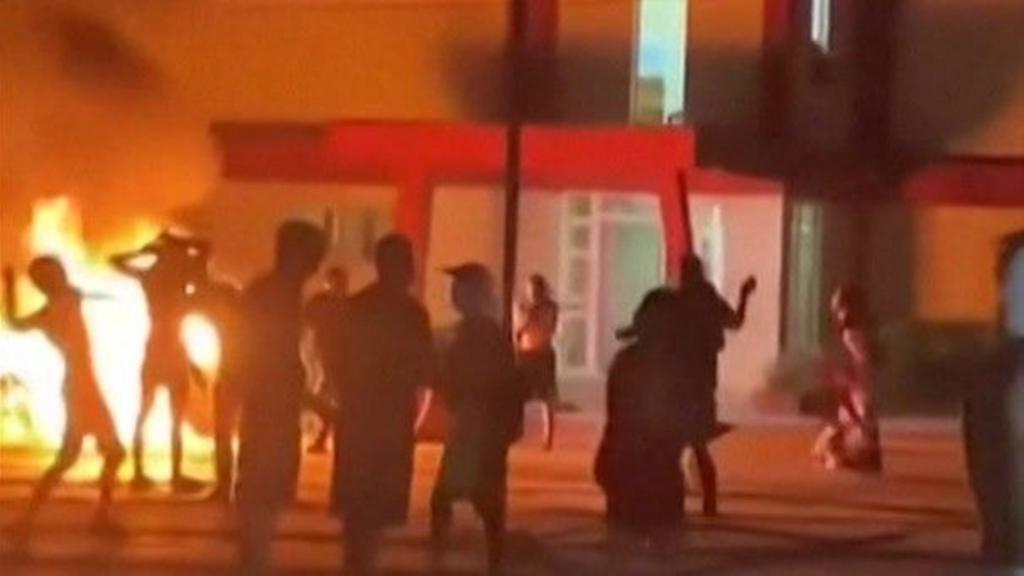
In a dramatic escalation of Cuba's ongoing crisis, protesters have ransacked a Communist Party office in Havana, marking a significant departure from the island's traditionally controlled political environment. The unrest, fueled by rolling blackouts affecting millions and severe shortages of food, fuel, and medicine, represents the most direct challenge to the government in decades.
The current crisis has been exacerbated by a perfect storm of factors: the lingering economic impact of COVID-19, reduced aid from traditional allies like Venezuela, and the longstanding US embargo. The energy crisis has pushed the population to its limits, with many Cubans experiencing daily power outages lasting up to 20 hours.
This unrest differs markedly from the 2021 protests, which were largely spontaneous and geographically dispersed. The targeted attack on a Communist Party office suggests a growing boldness among protesters and a potential shift in the nature of dissent. While the government has historically maintained tight control through both political repression and social programs, the current situation reveals the limits of these mechanisms.
The international community watches with concern as Cuba teeters on the brink of a humanitarian crisis. The Biden administration faces a delicate balancing act between maintaining pressure on the Cuban government and avoiding actions that could further destabilize the island. Meanwhile, regional powers like Mexico and the European Union have called for dialogue and humanitarian assistance.
Looking ahead, the Cuban government's ability to maintain control will depend on its capacity to address the immediate energy crisis while managing the growing discontent. The unprecedented nature of these protests suggests that Cuba's political landscape may be entering a period of significant transformation, regardless of the government's response.