Back to home
INTERNATIONAL9 March 2026
Croatia's Return to Conscription: A Balkan Nation Braces for Modern Warfare
Croatia's reinstatement of mandatory military service reflects growing regional security concerns and represents a significant shift in Balkan defense policy, blending traditional training with modern warfare capabilities.
La
La Rédaction
The Vertex
5 min read
Source: www.bbc.com
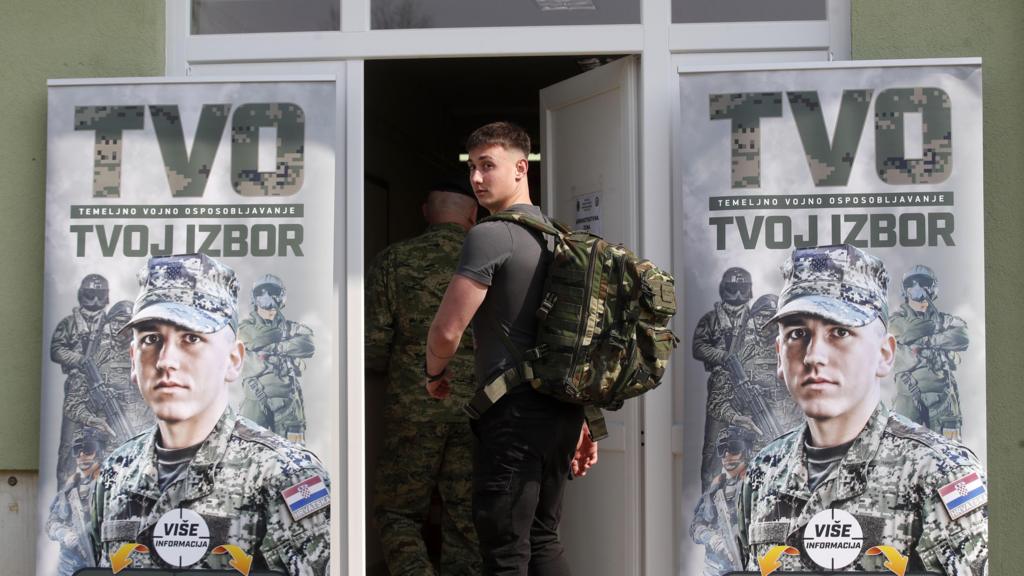
In a significant policy shift, Croatia has reinstated mandatory military service for young men and women, marking a departure from its post-independence era of professional volunteer forces. This move comes amid heightened tensions in the Balkans and growing concerns about regional security dynamics.
The new conscription program, affecting hundreds of teenagers annually, represents more than a simple return to Cold War-era practices. Training now encompasses traditional military skills alongside cutting-edge capabilities including drone operations, cyberwarfare techniques, and electronic countermeasures. This modernization reflects the evolving nature of 21st-century conflict, where information warfare and technological superiority often prove as crucial as conventional firepower.
Croatia's decision echoes similar moves across Eastern Europe, where nations are reassessing their defense postures in light of recent geopolitical developments. The country, which joined NATO in 2009, had previously maintained a small professional military force. The shift to conscription suggests growing anxiety about potential threats and a desire to rapidly expand military capabilities.
However, this policy change raises questions about its effectiveness and societal impact. Critics argue that short-term conscription may not provide sufficient training for modern military requirements, while supporters see it as a necessary step to bolster national defense and foster civic responsibility. The economic implications are also significant, as the military training period represents a temporary removal of young people from the workforce and educational institutions.
As Croatia navigates this transition, the move signals a broader trend of military modernization and preparedness across the region, potentially reshaping the Balkan security landscape for years to come.