Back to home
POLITICS15 May 2026
The CIA’s Havana Visit: Energy Scarcity and the Recalibration of U.S.–Cuban Relations
CIA Director William Burns arrived in Havana with a modest offer of humanitarian oil aid as Cuba faces a severe energy shortage. The low‑profile visit signals a tentative U.S. willingness to ease the embargo while the island’s energy crisis threatens socioeconomic stability.
La
La Rédaction
The Vertex
5 min read
Source: www.bbc.com
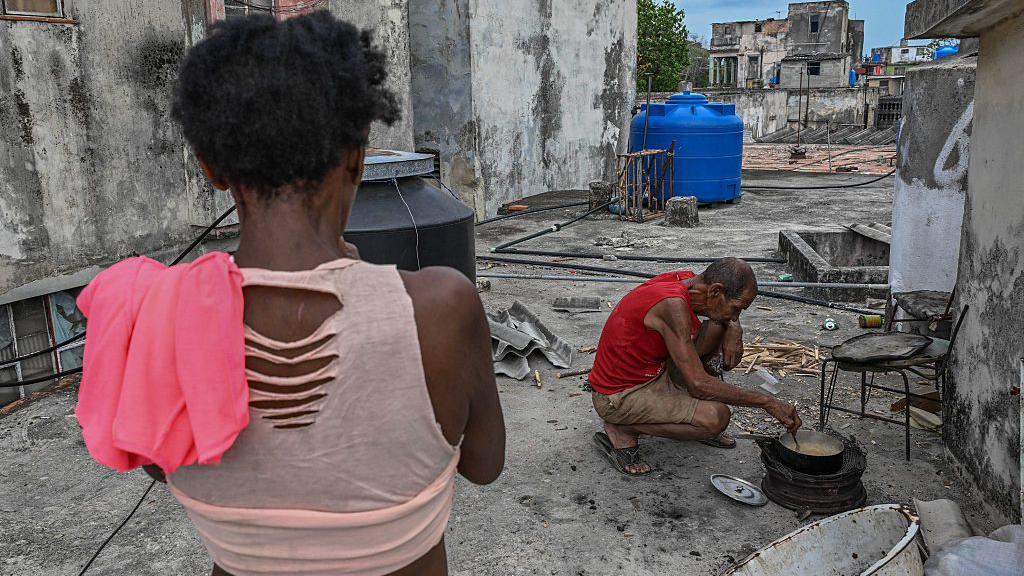
On a crisp autumn morning, CIA Director William Burns arrived in Havana, his briefcase containing a modest proposal for humanitarian oil assistance as Cuba grapples with an acute energy shortage. The visit, kept low‑key by both governments, signals a tentative willingness to ease the long‑standing embargo while confronting a crisis that threatens the island’s fragile socioeconomic equilibrium.
The United States’ oil blockade, tightened in 2022, has cut off the bulk of Cuba’s imported petroleum, forcing the nation to ration electricity and curtail public transport. The visit, though limited in volume, could avert a total blackout and sustain critical health and agricultural services, thereby reducing the humanitarian pressure that has become a diplomatic lever for Washington.
Domestically, the crisis fuels discontent among a population already strained by inflation and food scarcity, potentially destabilising the Communist Party’s grip. Internationally, the episode underscores the broader strategic contest over energy resources in the Caribbean, where Russia and China have increased their presence, offering alternative supply routes that challenge U.S. leverage.
Cuba’s energy woes echo the 1990s “Special Period” after the Soviet collapse, when shortages precipitated modest market reforms. The current situation, however, is compounded by global supply chain disruptions and the lingering effects of sanctions, making the CIA’s outreach a test of whether the United States can translate diplomatic goodwill into tangible relief without compromising its leverage.
If the aid materialises, it may pave the way for a calibrated thaw, encouraging limited economic liberalisation and fostering a more stable environment for future negotiations. Conversely, a failure to deliver sufficient energy could deepen the crisis, reinforcing the status quo and prolonging the geopolitical stalemate that has defined U.S.–Cuban relations for six decades.