Back to home
INTERNATIONAL17 March 2026
Chile's Border Barrier: A Symbolic Start to Kast's Presidency
Chile's new president has initiated construction of a border barrier with Argentina, marking a symbolic first move that reflects his hardline immigration stance. The modest ditch raises questions about practical security needs versus political symbolism.
La
La Rédaction
The Vertex
5 min read
Source: www.bbc.com
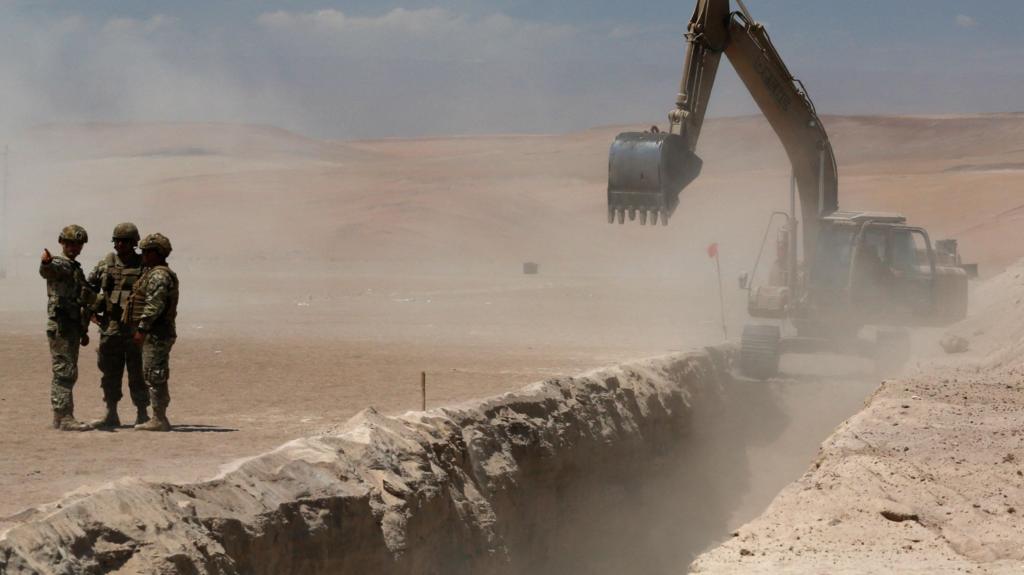
Just one week into his presidency, José Antonio Kast has initiated construction of a border barrier with Argentina, marking a symbolic first move for his administration. The president visited the site of a newly dug ditch - described as a few feet wide and deep - calling it a "milestone" in his administration's border security agenda.
The barrier's initiation comes amid growing concerns about irregular migration and cross-border crime in Chile. While the physical structure itself is modest in scale, its political significance cannot be understated. For Kast, who campaigned on a platform of strict immigration controls and enhanced border security, this early action demonstrates commitment to his campaign promises.
However, the move raises questions about Chile-Argentina relations and the practical effectiveness of such barriers. The Andes mountains already form a formidable natural barrier between the two nations, and most migration flows occur at other border points. Critics argue that the barrier may be more about political symbolism than practical security needs.
This development reflects a broader trend in Latin American politics, where hardline immigration policies have gained traction in recent years. The barrier's construction may signal a shift toward more isolationist policies in the region, potentially affecting trade relationships and diplomatic ties.
As Kast's administration moves forward, the international community will be watching to see whether this barrier becomes part of a larger border security strategy or remains a symbolic gesture. The long-term implications for regional cooperation and migration patterns remain to be seen.