Back to home
INTERNATIONAL7 April 2026
Adriana Rivas: The Pinochet-Era Crimes That Crossed Continents
Adriana Rivas, accused of Pinochet-era crimes, loses her Australian extradition battle, reigniting debates on justice and accountability for human rights abuses.
La
La Rédaction
The Vertex
5 min read
Source: www.bbc.com
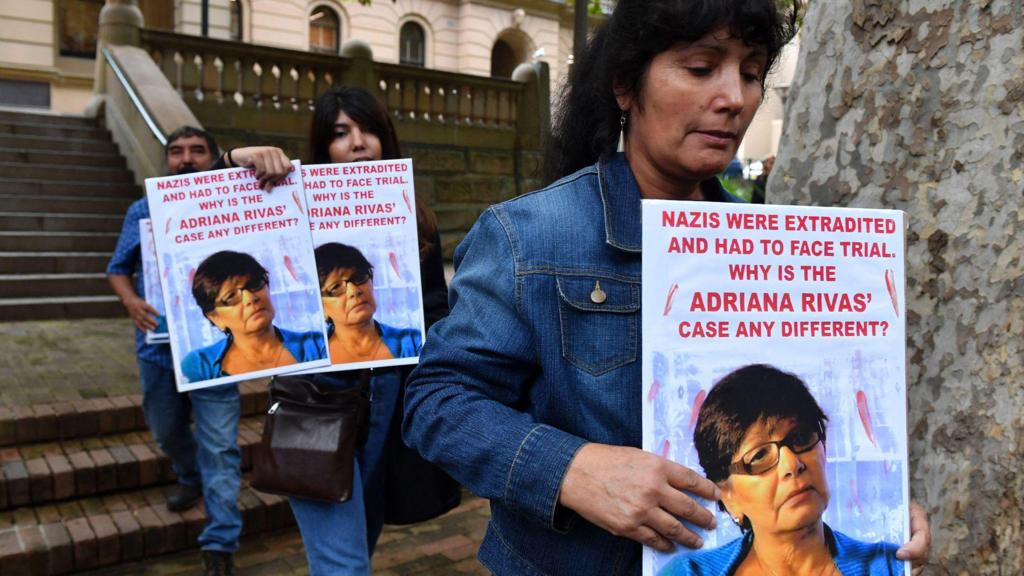
The recent extradition defeat of Adriana Rivas in Australia has reopened painful chapters of Chile's military dictatorship. Rivas, who moved to Australia in the 1970s, built a quiet life working as a nanny and cleaner while hiding a dark past as an alleged operative of Augusto Pinochet's secret police, DINA.
The case highlights the long reach of justice and the complexities of international law. Rivas was accused of involvement in the kidnapping and disappearance of several individuals during Pinochet's brutal regime, which lasted from 1973 to 1990. Her alleged crimes, committed decades ago, have finally caught up with her, raising questions about accountability and the statute of limitations for human rights abuses.
Australia's decision to deny her extradition bid underscores the tension between national sovereignty and international justice. While some argue that countries should not be burdened with prosecuting crimes committed elsewhere, others see this as a missed opportunity to bring closure to victims' families.
This case also reflects the broader struggle for transitional justice in Latin America. Many countries in the region have grappled with how to address the legacy of authoritarian rule, balancing the need for reconciliation with the pursuit of justice. Rivas's story is a stark reminder that the past is never truly buried and that the pursuit of justice can span generations and continents.
As Chile continues to confront its history, cases like Rivas's serve as a sobering reminder of the enduring impact of dictatorship and the importance of accountability in building a democratic future.