Back to home
INTERNATIONAL11 March 2026
Trump's Iran Gambit: History's Shadow Over Washington's Middle East Strategy
President Trump's call for an Iranian uprising echoes George H.W. Bush's 1991 encouragement of Iraqi rebels, highlighting the dangerous gap between rhetorical support and concrete action in American Middle East policy.
La
La Rédaction
The Vertex
5 min read
Source: www.bbc.com
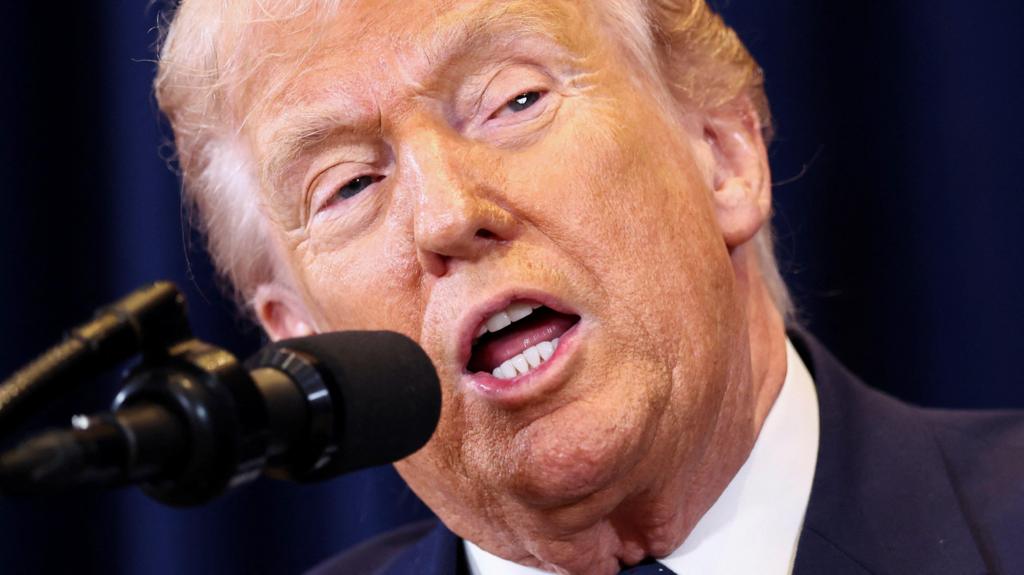
When President Trump called for an uprising against Iran's regime, he unwittingly echoed a moment from the Gulf War that should give Washington pause. In 1991, President George H.W. Bush encouraged Iraqi Shiites and Kurds to rise against Saddam Hussein, only to watch as the rebellion was brutally crushed when American forces failed to intervene.
The parallel is striking and troubling. Just as in 1991, Trump's rhetoric has raised hopes among Iranian dissidents while offering no concrete support. The administration appears to be pursuing a strategy of maximum pressure through sanctions and diplomatic isolation, hoping internal discontent will topple the regime. Yet history suggests such approaches often backfire, strengthening hardliners who can portray foreign interference as justification for repression.
This pattern reflects a persistent American challenge in the Middle East: the gap between rhetorical support for democratic movements and the political will to follow through militarily. The consequences of this disconnect were visible in Iraq's subsequent decade of sanctions and instability, and later in the Arab Spring's mixed outcomes.
For Iran, the stakes are particularly high. The regime faces genuine economic pressure from sanctions, but also legitimate domestic grievances about corruption and economic mismanagement. The question is whether external pressure will catalyze peaceful reform or provoke a nationalist backlash that entrenches current power structures.
The lesson from 1991 isn't that America should intervene militarily in Iran, but rather that foreign policy requires coherence between words and actions. Empty calls for revolution without strategic backing risk creating chaos without change, leaving both Iranians and Americans to deal with the aftermath.