Back to home
INTERNATIONAL9 July 2026
Sharp Decline in Oil, Gas and Cargo Shipments Through Hormuz Amid New Strikes
Data released this week shows a marked drop in the number of vessels, many carrying oil and gas, transiting the Strait of Hormuz after a series of missile and drone attacks. The decline highlights the heightened risk to a critical global energy corridor and its potential economic repercussions.
La
La Rédaction
The Vertex
5 min read
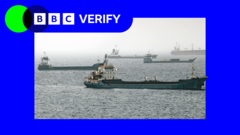
Source: www.bbc.co.uk
A sudden dip in maritime traffic through the Strait of Hormuz has emerged as the most visible consequence of this week’s coordinated missile and drone strikes, which have targeted vessels transiting the vital waterway. The decline, highlighted by shipping data, signals heightened caution among operators carrying oil and gas cargoes.
The reduction, amounting to roughly a third fewer vessels compared with the preceding fortnight, reflects both immediate operational hesitation and a reassessment of risk. Insurance premiums have surged, and several charterers have opted to reroute around the Cape of Good Hope, inflating transit times by several days. The economic ripple extends to global oil markets, where the prospect of supply constraints has nudged prices upward, underscoring the strait’s outsized influence on energy security.
The Strait of Hormuz, through which roughly one‑fifth of global petroleum flows, has long been a flashpoint in US‑Iran tensions. Past episodes, such as the 2019‑2020 tanker seizures, produced comparable volatility. The current strikes, claimed by Tehran and opposed by Washington, reinforce a pattern of escalation that jeopardizes the stability of a corridor essential to Europe, Asia and the Middle East. Analysts note that the heightened risk may accelerate diversification strategies, including increased use of pipelines and liquefied natural gas terminals.
If the pattern of aggression persists, shipping firms may be compelled to seek alternative routes, raising costs and lengthening delivery schedules. Diplomatic de‑escalation, therefore, becomes pivotal not only for regional stability but also for maintaining the flow of energy that underpins the global economy. The coming weeks will test whether the international community can restore confidence in the waterway or if the region slides further into confrontation.