Back to home
INTERNATIONAL28 March 2026
BBC Russian: Eighty Years of Broadcasting Through the Iron Curtain
BBC Russian's eight-decade struggle against censorship spans from Cold War radio jamming to modern website blocking, yet millions still access its content. This persistence reveals the fundamental tension between authoritarian control and the human desire for truthful information.
La
La Rédaction
The Vertex
5 min read
Source: www.bbc.com
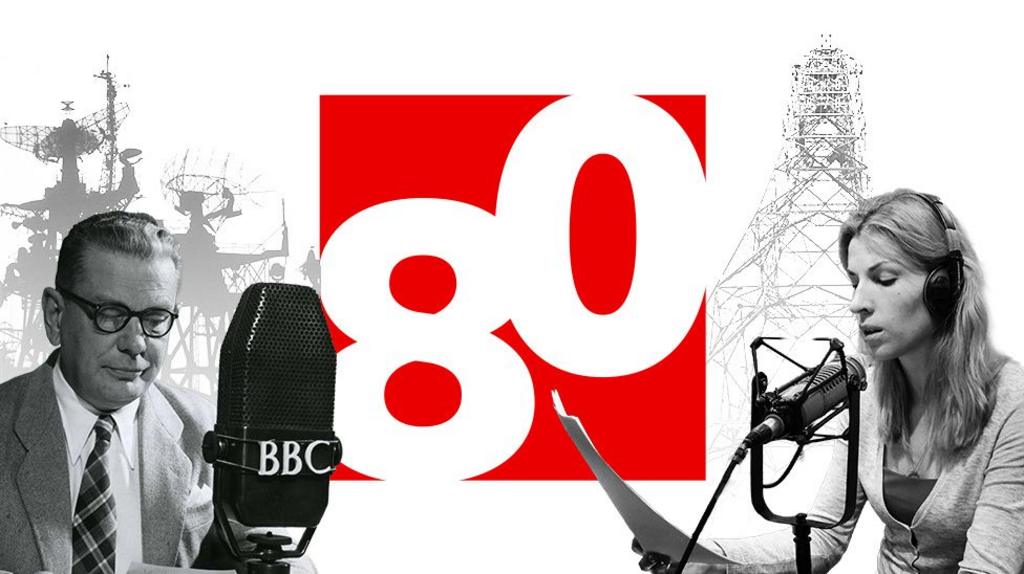
For eighty years, BBC Russian has stood as a beacon of independent journalism in the face of relentless suppression. What began as crackling radio broadcasts through Soviet jamming in 1946 has evolved into a sophisticated digital operation that continues to reach millions of Russians despite systematic blocking.
The service's origins trace back to the immediate post-World War II period, when the BBC recognized the need for reliable information in the Soviet Union. Soviet authorities responded with sophisticated jamming technology, creating a technological arms race that would last for decades. Radio operators would broadcast news and analysis, only to have Soviet technicians attempt to drown out the signal with white noise and interference.
This cat-and-mouse game continued through the Cold War, with BBC Russian adapting its transmission methods and frequencies to evade jamming. The fall of the Soviet Union in 1991 brought new challenges and opportunities, as the service transitioned to television and online platforms. However, the fundamental struggle for information freedom remained unchanged.
The current situation represents a new chapter in this long history. Russia's blocking of BBC Russian's website is not merely a technical measure but a political statement about information control in the digital age. Yet, as in previous eras, the service has found ways to circumvent these barriers, with millions still accessing its content through VPNs and other means.
This persistence speaks to a fundamental truth about information in authoritarian contexts: attempts at suppression often backfire, creating what communication scholars call the "streisand effect." The more authorities try to block information, the more valuable and sought-after it becomes. BBC Russian's eighty-year history demonstrates that while technologies and regimes may change, the human desire for truthful information remains constant.