Back to home
INTERNATIONAL6 April 2026
Bangladesh's Measles Crisis: A Preventable Tragedy Exposes Healthcare Vulnerabilities
Over 100 children have died from measles in Bangladesh since March, exposing critical gaps in vaccination coverage and healthcare infrastructure, particularly in refugee-hosting regions.
La
La Rédaction
The Vertex
5 min read
Source: www.bbc.com
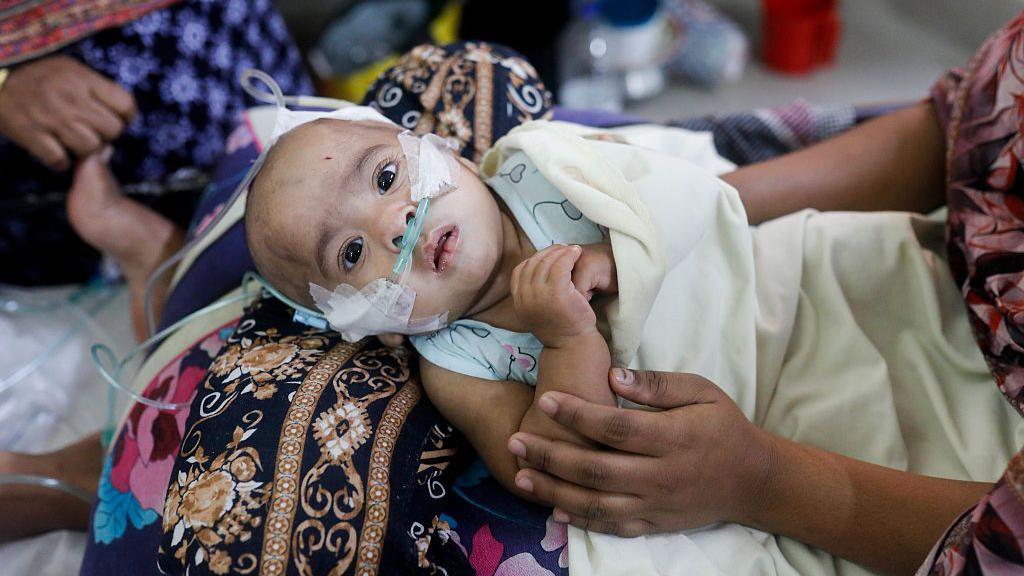
The deaths of over 100 children from suspected measles in Bangladesh since mid-March have laid bare the fragility of public health systems in the developing world. This outbreak, occurring in the southeastern district of Cox's Bazar, represents not just a medical emergency but a systemic failure that demands urgent scrutiny.
The geographic concentration of cases in Cox's Bazar is particularly telling. This region, already strained by hosting the world's largest refugee camp with over 900,000 Rohingya refugees, has seen its healthcare infrastructure pushed to breaking point. The combination of overcrowding, limited vaccination coverage, and weakened immune systems from malnutrition creates the perfect conditions for infectious disease outbreaks.
Measles, a disease preventable through vaccination, should be a relic of the past. The World Health Organization has documented a concerning global trend of declining vaccination rates, particularly following COVID-19 disruptions. Bangladesh, once a model for successful immunization programs in South Asia, has seen coverage gaps emerge that opportunistic diseases are exploiting.
The Bangladeshi government's emergency vaccination campaign, while necessary, highlights the reactive nature of crisis management. Public health experts emphasize that prevention through sustained vaccination programs is both more cost-effective and humane than emergency interventions. The current tragedy underscores the need for consistent funding and political commitment to routine immunization, especially in vulnerable communities.
Looking forward, this outbreak serves as a stark warning. Without addressing underlying healthcare inequities and strengthening preventive infrastructure, similar tragedies will likely recur. The international community must recognize that disease outbreaks in one region pose global risks, making investment in comprehensive vaccination programs a matter of both humanitarian concern and global security.