Back to home
SOCIETY27 March 2026
Austria Joins European Wave: The Growing Push to Ban Social Media for Children
Austria proposes banning social media for under-14s, joining France and Spain in a growing European movement to protect children from digital harms. The trend reflects mounting concerns about social media's impact on youth development.
La
La Rédaction
The Vertex
5 min read
Source: www.bbc.com
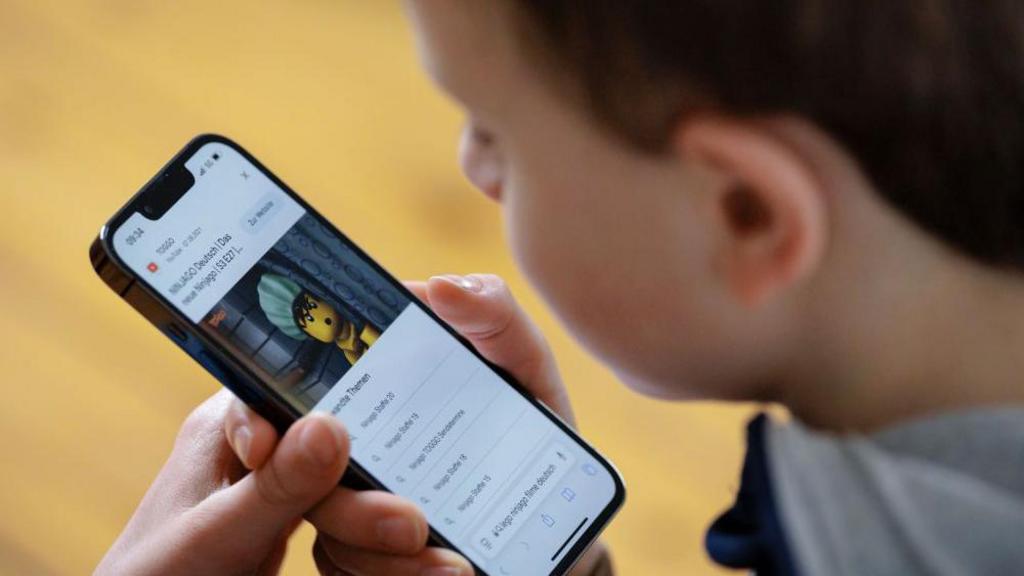
Austria has become the latest European nation to propose a ban on social media access for children under 14, following similar initiatives in France and Spain. This emerging trend reflects mounting concerns about the psychological and developmental impacts of early social media exposure on young minds.
The Austrian proposal, still in its early stages, would restrict children's access to major social platforms unless they obtain parental consent or verification of age. Proponents argue that social media's addictive design, exposure to inappropriate content, and potential for cyberbullying create an environment unsuitable for developing adolescents.
This legislative movement represents more than isolated national policies—it signals a fundamental reassessment of digital childhood across Europe. France has already implemented restrictions requiring parental consent for under-15s, while Spain's Balearic Islands have pioneered regional bans. These parallel initiatives suggest a coordinated continental response to what many see as Silicon Valley's unchecked influence over European youth.
The debate extends beyond simple age restrictions. Critics question enforcement mechanisms, noting that children easily circumvent age verification through false information. Others warn that prohibition might drive underage users toward less regulated platforms or deny them valuable digital literacy opportunities.
As European nations grapple with these complex questions, the social media industry faces mounting pressure to redesign products with younger users in mind. The Austrian proposal, alongside its European counterparts, may represent the opening salvo in a broader regulatory campaign that could fundamentally reshape how the next generation interacts with digital spaces.