Back to home
ECONOMY27 March 2026
Australia's Fuel Security: Between Panic and Policy
Australia faces a fuel supply panic that reveals deeper vulnerabilities in its energy infrastructure. PM Albanese's reassurances highlight the delicate balance between public perception and strategic energy security.
La
La Rédaction
The Vertex
5 min read
Source: www.bbc.com
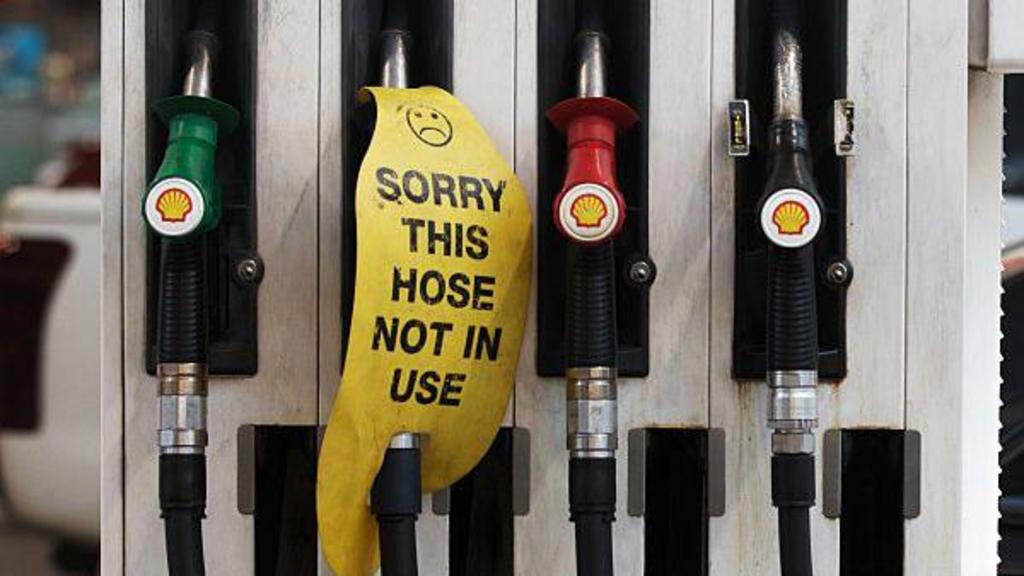
In recent days, Australian petrol stations have witnessed scenes reminiscent of the early pandemic era, with long queues and empty pumps sparking public anxiety. Prime Minister Anthony Albanese's swift reassurance about the nation's fuel supply security reflects both a political necessity and a deeper vulnerability in Australia's energy infrastructure.
The current fuel panic appears to stem from a complex interplay of factors: global oil price volatility, regional supply chain disruptions, and perhaps most critically, the psychological contagion of scarcity. When consumers perceive a potential shortage, their rush to stockpile can paradoxically create the very crisis they fear.
Australia's fuel security has long been a topic of concern among energy experts. With the nation's heavy reliance on imported refined petroleum products and limited domestic refining capacity, the system operates on a precarious balance. The current episode exposes this fragility, raising questions about strategic reserves and supply chain resilience.
From an economic perspective, such panic buying episodes can have cascading effects. They strain logistics networks, potentially disrupt essential services, and may contribute to inflationary pressures at a time when the Reserve Bank is carefully managing monetary policy.
The Albanese government now faces a delicate challenge: reassuring the public without appearing dismissive of legitimate supply concerns, while simultaneously addressing the structural vulnerabilities that panic buying reveals. The incident serves as a stress test for Australia's energy security framework, highlighting the need for both robust strategic reserves and public communication strategies that can prevent future episodes of market panic.