Back to home
SOCIETY10 May 2026
Parachute Medics on a Remote Island: A Targeted Response to a Hantavirus Threat
A British citizen suspected of hantavirus infection was treated on Tristan da Cunha after a military parachute team arrived to provide emergency care.
La
La Rédaction
The Vertex
5 min read
Source: www.bbc.com
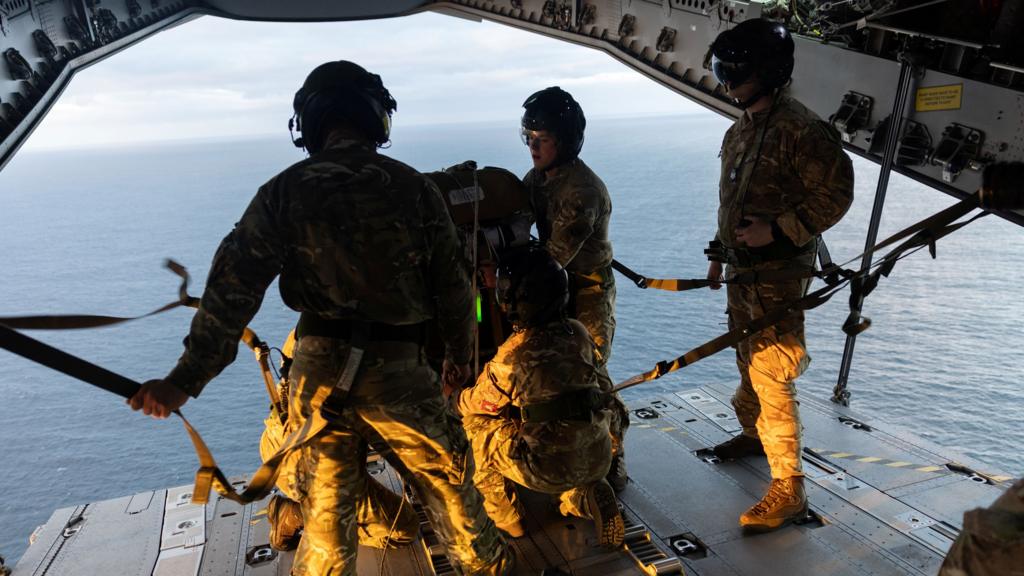
On a mist‑shrouded morning in September, a small military transport plane sliced through low clouds before releasing a team of specially trained medics via parachute onto the windswept cliffs of Tristan da Cunha, a tiny British overseas territory lost in the South Atlantic.
The mission targeted a Briton believed to be infected with hantavirus, a zoonotic pathogen spread by rodent droppings that can cause severe respiratory failure. In such an isolated setting, every hour counts; the rapid aerial insertion bypasses the island’s sole, rudimentary health post and brings immediate diagnostic capacity, isolation facilities, and antiviral support directly to the epicenter. With a case fatality rate approaching 50% if untreated, the team brought ribavirin and supportive care, marking one of the few rapid field deployments of antiviral therapy in a non‑clinical setting.
Tristan da Cunha, with a permanent population of fewer than 300, has long been a laboratory of isolation. The island’s remoteness, reliance on a single supply ship, and historic neglect of tropical medicine have made it vulnerable to emerging infections, as seen during past outbreaks of cholera and COVID‑19. The territory is administered by a UK-appointed governor, yet its limited budget restricts routine vaccination programs and vector control, leaving the community exposed to rodent proliferation amplified by the island’s abundant seabird colonies. The episode may serve as a template for other remote jurisdictions, prompting a reevaluation of emergency preparedness frameworks in the face of climate‑driven vector expansion.
The rapid parachute deployment not only addresses an immediate health threat but also illustrates the growing importance of militarized humanitarian logistics in addressing zoonotic disease risks on isolated territories. The success of this operation may inspire similar deployments elsewhere, reinforcing the need for flexible, cross‑sectoral strategies in global health security.