Back to home
INTERNATIONAL9 July 2026
The Unthinkable Revival: An Arizona Toddler's Miracle in a Hospital Morgue
An 18‑month‑old child was declared dead after a drowning incident, only to be found alive in a hospital morgue. After being transferred to another facility, he survived.
La
La Rédaction
The Vertex
5 min read
Source: www.bbc.co.uk
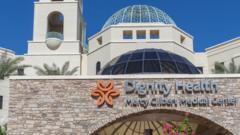
In a bizarre twist of medical error and human resilience, an 18‑month‑old child who was pronounced dead from drowning was discovered alive in the morgue of a Tucson hospital, prompting a frantic transfer to a second facility where he ultimately survived.
The incident, which unfolded on a July afternoon in 2026, revealed a cascade of procedural failures: initial resuscitation attempts were deemed unsuccessful, the child was moved to the morgue for post‑mortem examination, and a routine temperature check or equipment malfunction may have delayed the declaration of death.
The case sits against a backdrop of heightened scrutiny over hospital protocols in the United States, where medical errors claim thousands of lives annually. It also underscores the vulnerability of pediatric patients, whose physiological responses can be deceptive, and the critical need for double‑checking vital signs before finalizing a death declaration. Nationwide, similar incidents have spurred reviews of morgue access policies and the training of staff in pediatric resuscitation.
Looking ahead, the episode may accelerate reforms such as mandatory second opinions in ambiguous pediatric cases, enhanced monitoring of equipment in morgues, and broader adoption of point‑of‑care ultrasound to confirm cardiac activity. If institutions act on these lessons, the likelihood of future misidentifications could diminish, safeguarding both families and the integrity of medical practice.
Beyond the immediate medical drama, the episode invites reflection on the cultural narratives surrounding death and the trust placed in health institutions. In an era of rapid information flow and heightened public scrutiny, a misdiagnosis of this magnitude can erode confidence, prompting families and policymakers to demand greater transparency and accountability. The incident may also inspire research into automated monitoring systems that flag inconsistencies in vital sign readings, thereby reducing human error.