Back to home
INTERNATIONAL30 June 2026
Venezuelan Fury: Neglect Amidst Twin Earthquakes
Angry Venezuelans accuse the Maduro government of neglect after twin earthquakes left hundreds dead and tens of thousands displaced. They demand faster, more transparent humanitarian assistance and accountability for the state’s slow response.
La
La Rédaction
The Vertex
5 min read
Source: www.bbc.co.uk
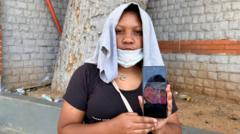
In the wake of twin earthquakes that rattled northern Venezuela on June 28, 2026, survivors in the hardest‑hit towns have taken to the streets, their voices rising in accusation against a government they deem indifferent to their plight. The twin quakes, measuring 6.5 and 6.2 on the Richter scale, struck the states of Barinas and Trujillo, causing widespread building collapse and triggering aftershocks that hampered rescue efforts.
Residents report rescue teams arriving hours later, scarce medical supplies, and insufficient temporary shelters. A mother from Caripe, whose home collapsed, said, “We have been abandoned.” The outcry shows the Maduro administration’s focus on political narratives over urgent humanitarian needs, as families plead for clean water, housing, and medical care while volunteers coordinate aid without official support.
The criticism emerges against Venezuela’s prolonged economic collapse, chronic shortages of food and medicine, and a history of mismanaged natural disasters. International aid is arriving, yet bureaucratic hurdles and sanctions slow distribution. With presidential elections approaching and the opposition controlling the National Assembly, the government faces intense scrutiny, making the disaster response a pivotal political flashpoint. International donors have pledged emergency funds, yet U.S. sanctions and domestic fiscal constraints limit the speed at which aid can be mobilized, leaving NGOs to fill gaps with limited resources.
If authorities fail to deliver timely assistance and transparent accountability, public anger could fuel unrest and empower opposition forces ahead of the 2027 elections. A coordinated emergency plan involving civil society and international partners could restore confidence; without it, the crisis may accelerate demands for systemic change. The episode may also set a precedent for how future emergencies are managed, influencing public expectations and the legitimacy of the ruling party.